
Diabetes and Your Liver: The Hidden Link Everyone Should Know This World Diabetes Day
Introduction: Why World Diabetes Day 2025 Matters More Than Ever
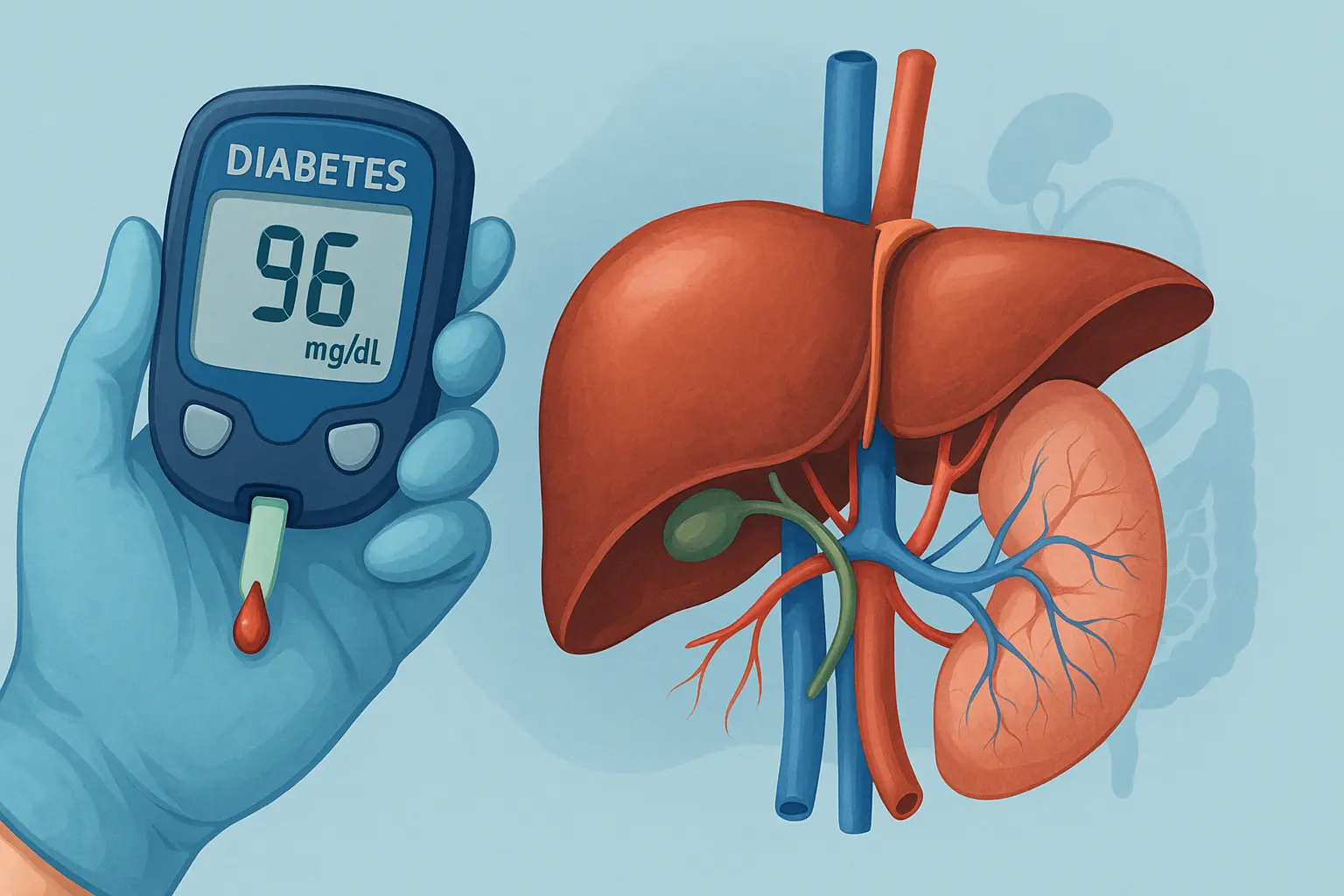
Every year on World Diabetes Day, millions unite to raise awareness about diabetes, a condition affecting over 500 million people worldwide. But in 2025, the spotlight is also turning to a lesser-known consequence of diabetes: liver disease, particularly fatty liver.
While diabetes is often associated with high blood sugar and insulin resistance, it also silently affects one of the body’s most vital organs-the liver. The connection between diabetes and fatty liver is not just incidental; it’s deeply intertwined.
Understanding the Relationship Between Diabetes and Liver Health
The liver plays a central role in processing and storing glucose. In people with diabetes, especially Type 2 diabetes, insulin resistance forces the liver to overproduce glucose. Over time, this leads to fat buildup in liver cells-a condition known as non-alcoholic fatty liver disease (NAFLD).
NAFLD can progress silently, often without symptoms, until it develops into non-alcoholic steatohepatitis (NASH), fibrosis, or even cirrhosis. The relationship between diabetes and fatty liver thus becomes a dangerous two-way street: diabetes contributes to liver disease, and liver disease worsens blood sugar control.
What Is Fatty Liver Disease?
Fatty liver occurs when more than 5% of the liver’s weight is fat.
- NAFLD (Non-Alcoholic Fatty Liver Disease): Fat buildup not related to alcohol.
- NASH (Non-Alcoholic Steatohepatitis): A severe form involving inflammation and liver damage.
Common symptoms include fatigue, discomfort in the upper right abdomen, and unexplained weight gain. However, most cases remain asymptomatic, making early detection crucial.
How Diabetes Leads to Fatty Liver
Diabetes and fatty liver share a common enemy-insulin resistance. When the body’s cells resist insulin, glucose remains in the bloodstream while the liver stores excess fat.
This cycle of high insulin + high glucose = fat accumulation creates a metabolic storm, gradually damaging the liver.
The Silent Danger – Fatty Liver in Diabetic Patients
Because fatty liver rarely causes pain, patients often discover it during routine checkups. But untreated, it can progress to liver fibrosis, cirrhosis, or even liver cancer. Studies show that diabetic individuals are two to three times more likely to develop advanced liver disease compared to non-diabetics.
Diagnosing Fatty Liver in Diabetic Patients
Doctors use:
- Ultrasound and FibroScan for imaging.
- Liver function tests (LFTs) to measure enzyme levels.
- Blood sugar tests to monitor diabetes control.
Early diagnosis is key-especially if you have diabetes and experience fatigue, nausea, or right-side discomfort.
Lifestyle Changes to Protect Your Liver
- Eat liver-friendly foods: leafy greens, whole grains, and omega-3 fats.
- Limit sugars and processed foods.
- Exercise regularly for at least 30 minutes daily.
- Avoid alcohol and smoking.
These steps not only improve liver health but also help regulate blood sugar.
Medical Treatments and Monitoring
Treatment focuses on managing diabetes and reducing liver fat. Medications like metformin and GLP-1 agonists can help. Regular monitoring by a liver specialist ensures proper care.
Meet Dr. Mukesh Nandal – Expert Liver Specialist in Gurgaon
For residents of Gurgaon seeking expert guidance, Dr. Mukesh Nandal is a highly experienced Consultant Hepatologist and Gastroenterologist practicing at:
- Narayana Hospital, Gurgaon, and
- Atharva Gastro Clinic, Sector 10A, Gurgaon
He specializes in treating diabetes-related liver diseases, including fatty liver, hepatitis, and cirrhosis, helping patients achieve better metabolic and liver health through personalized care.
When to See a Liver Specialist
If you have diabetes and experience:
- Persistent fatigue
- Unexplained weight gain
- Elevated liver enzymes
- Abdominal bloating or discomfort
…it’s time to consult a liver specialist like Dr. Mukesh Nandal for a thorough evaluation.
Preventing Liver Damage with Better Diabetes Control
Keep your blood sugar, cholesterol, and triglycerides in check. Avoid crash diets or over-the-counter supplements. Regular LFTs and ultrasounds help detect issues early.
World Diabetes Day 2025 – Raising Awareness and Hope
This World Diabetes Day 2025, let’s focus not only on sugar control but also on liver protection. Awareness campaigns and health checkup camps across India, including those in Gurgaon, aim to educate people about this silent but serious link.
Tips for Managing Both Diabetes and Fatty Liver Together
- Eat a balanced diet with low glycemic foods
- Maintain a healthy weight
- Exercise daily
- Avoid alcohol
- Get regular medical checkups
These steps are simple but life-saving.
FAQs About Diabetes and Liver Health
1. Can diabetes cause liver damage?
Yes, uncontrolled diabetes can lead to fatty liver and, over time, liver inflammation and fibrosis.
2. Is fatty liver reversible?
Absolutely. Early stages of fatty liver can be reversed with diet, exercise, and proper diabetes control.
3. Should diabetics get liver tests regularly?
Yes, annual liver function tests are recommended for all diabetic patients.
4. What foods help reduce liver fat?
Leafy greens, fish rich in omega-3, nuts, and whole grains are beneficial.
5. Who is the best liver specialist in Gurgaon?
Dr. Mukesh Nandal, Consultant at Narayana Hospital Gurgaon and Atharva Gastro Clinic, Sector 10A, is a trusted expert for liver-related conditions.
6. How can I prevent fatty liver if I have diabetes?
By maintaining blood sugar levels, eating healthily, staying active, and avoiding alcohol.
Conclusion: Your Liver Deserves as Much Attention as Your Sugar Levels
This World Diabetes Day 2025, remember that your liver silently supports your health every day. Diabetes management isn’t just about blood sugar; it’s about total metabolic wellness. By protecting your liver, you protect your future.
⚠️ Disclaimer
This article is for educational purposes only and should not replace professional medical advice. Always consult a doctor before starting any treatment or lifestyle changes.