What Are the Symptoms of Digestive Problems?
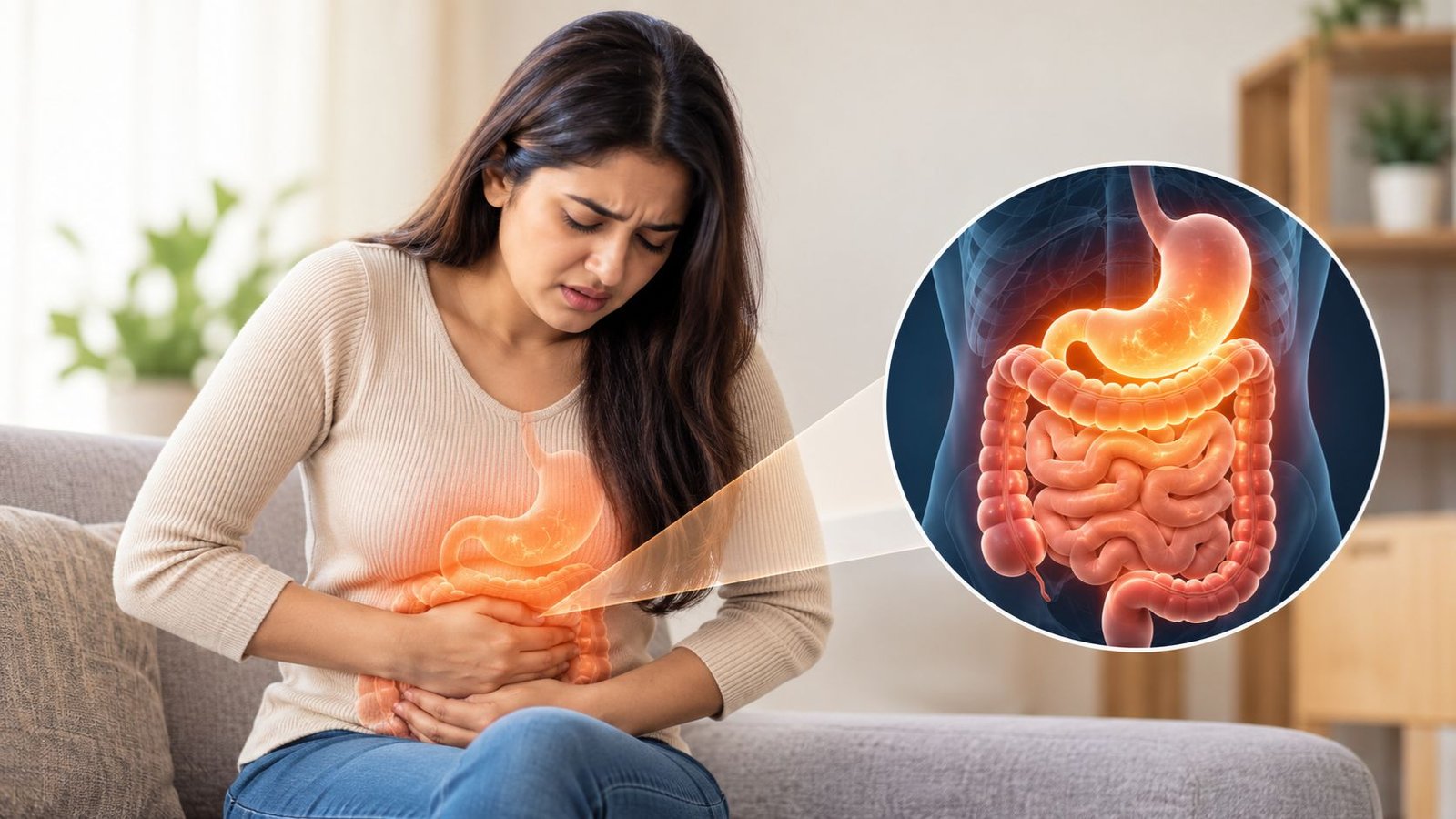
Digestive problems are common and can affect people of all ages. Occasional bloating, gas, acidity, constipation, or stomach discomfort may happen after certain foods, irregular meals, stress, or changes in routine. However, persistent or recurring digestive symptoms can sometimes indicate an underlying gastrointestinal condition that needs medical evaluation.
Understanding the common symptoms of digestive problems can help you recognise when a minor digestive disturbance may require attention and when it is important to consult a qualified specialist.
If digestive symptoms are persistent, worsening, or affecting your daily life, consulting a Digestion problem doctor in Gurgaon can help identify the underlying cause and guide you towards appropriate treatment.
What Are Digestive Problems?
Digestive problems refer to symptoms or conditions that affect the gastrointestinal tract, including the oesophagus, stomach, small intestine, large intestine, rectum, liver, gallbladder, and pancreas.
Digestive symptoms can occur because of several factors, including:
- Indigestion
- Acid reflux or GERD
- Gastritis
- Constipation
- Irritable bowel syndrome
- Food intolerance
- Gastrointestinal infections
- Peptic ulcers
- Gallbladder problems
- Inflammatory bowel conditions
- Liver or pancreatic disorders
- Changes in gut motility
- Certain medications
- Poor dietary habits and lifestyle factors
The symptoms can range from mild and temporary to persistent and disruptive.
What Are the Common Symptoms of Digestive Problems?
Digestive problems can produce different symptoms depending on the underlying cause. Some of the most common symptoms include:
1. Frequent Bloating
Bloating is a sensation of fullness, tightness, or swelling in the abdomen. It may occur after eating or may persist throughout the day.
Occasional bloating can be related to gas, eating too quickly, certain foods, or overeating. However, frequent or persistent bloating may require medical evaluation, particularly if it occurs with weight loss, vomiting, changes in bowel habits, or significant abdominal pain.
2. Abdominal Pain or Discomfort
Abdominal pain is one of the most common symptoms associated with digestive problems.
The location and nature of the pain can provide useful information. For example, discomfort may occur in the upper abdomen with some stomach conditions, while lower abdominal pain may be associated with bowel-related problems.
Pain can feel like:
- Cramping
- Burning
- Pressure
- Sharp pain
- Dull aching
- A feeling of fullness
Persistent or severe abdominal pain should not be ignored.
3. Heartburn and Acid Reflux
Heartburn usually feels like a burning sensation behind the breastbone and may occur when stomach contents move back into the oesophagus.
Some people may also experience:
- Sour or bitter taste in the mouth
- Regurgitation of food or liquid
- Burning after meals
- Symptoms that become worse when lying down
- Difficulty sleeping because of reflux
Frequent heartburn may be associated with gastroesophageal reflux disease, commonly known as GERD.
4. Excessive Gas
Passing gas is a normal part of digestion. However, excessive gas, frequent belching, or abdominal discomfort caused by gas may indicate an underlying digestive issue.
Gas-related symptoms may be associated with:
- Certain foods
- Eating too quickly
- Swallowing air
- Food intolerances
- Constipation
- Changes in gut bacteria
- Some gastrointestinal disorders
A doctor can help determine whether excessive gas is simply dietary or requires further evaluation.
5. Constipation
Constipation occurs when bowel movements become difficult, infrequent, or associated with hard stools.
Common symptoms include:
- Passing stools less frequently
- Hard or dry stools
- Straining during bowel movements
- A feeling of incomplete bowel evacuation
- Abdominal discomfort or bloating
Low fibre intake, inadequate fluid consumption, reduced physical activity, certain medications, and some medical conditions can contribute to constipation.
6. Diarrhoea
Diarrhoea involves loose or watery stools that occur more frequently than usual.
It may be caused by:
- Gastrointestinal infections
- Food contamination
- Food intolerance
- Certain medications
- Irritable bowel syndrome
- Other gastrointestinal conditions
Persistent diarrhoea can lead to dehydration and loss of important electrolytes. If diarrhoea is severe, recurrent, or associated with blood in the stool, fever, significant pain, or weakness, medical attention is important.
7. Nausea and Vomiting
Nausea is the unpleasant sensation that you may vomit, while vomiting involves forceful emptying of stomach contents through the mouth.
These symptoms may occur with infections, food-related illnesses, acid reflux, gastritis, medication side effects, or other gastrointestinal conditions.
Repeated vomiting can result in dehydration and should be evaluated, especially when it is persistent or accompanied by severe abdominal pain or blood.
8. Loss of Appetite
A temporary reduction in appetite may occur during an infection or period of stress. However, a persistent loss of appetite may sometimes indicate an underlying digestive or systemic condition.
It is particularly important to seek medical advice if loss of appetite occurs along with unexplained weight loss, persistent abdominal pain, vomiting, or changes in bowel habits.
9. Difficulty Swallowing
Difficulty swallowing, medically known as dysphagia, can feel like food is getting stuck in the throat or chest.
Some people may also experience:
- Pain while swallowing
- Coughing during meals
- Choking sensations
- Food feeling stuck after swallowing
- Difficulty swallowing solid foods or liquids
Persistent difficulty swallowing requires medical assessment because it can have several possible causes.
10. Changes in Bowel Habits
A noticeable and persistent change in bowel habits can be an important symptom.
This may include:
- New constipation
- Persistent diarrhoea
- Alternating constipation and diarrhoea
- Increased frequency of bowel movements
- Changes in stool consistency
- A feeling of incomplete bowel emptying
Not every change indicates a serious condition, but persistent changes should be discussed with a doctor.
11. Blood in the Stool
Blood in the stool should never be routinely dismissed.
It may appear as:
- Bright red blood
- Dark or black stools
- Blood mixed with stool
Possible causes range from haemorrhoids and anal fissures to gastrointestinal bleeding and other conditions. The appearance of blood alone cannot determine the cause, so medical evaluation may be necessary.
12. Unexplained Weight Loss
Losing weight without intentionally changing your diet or physical activity can sometimes be a warning sign.
Unexplained weight loss may occur because of reduced appetite, difficulty eating, poor absorption of nutrients, chronic digestive conditions, or other medical problems.
If unexplained weight loss occurs together with persistent digestive symptoms, consult a doctor promptly.
What Causes Digestive Problems?
There is no single cause of digestive symptoms. Different people can experience similar symptoms because of completely different conditions.
Common contributing factors include:
Dietary Factors
Eating large meals, consuming highly processed foods, insufficient dietary fibre, excessive intake of certain trigger foods, or irregular eating patterns can contribute to digestive discomfort.
Food Intolerance
Some individuals may experience digestive symptoms after consuming specific foods or ingredients.
Symptoms can include bloating, abdominal discomfort, diarrhoea, or excessive gas.
Stress and Lifestyle
Stress can influence the gut-brain connection and may affect bowel movements, appetite, abdominal discomfort, and other digestive symptoms.
Poor sleep, lack of physical activity, and irregular meal patterns may also contribute to digestive complaints.
Medications
Certain medications can affect the gastrointestinal system and may cause symptoms such as constipation, diarrhoea, nausea, or stomach irritation.
If you develop persistent digestive symptoms after starting a medication, speak with your doctor rather than stopping prescribed medication on your own.
Gastrointestinal Conditions
Conditions such as GERD, gastritis, peptic ulcers, irritable bowel syndrome, inflammatory bowel disease, gallbladder disorders, and other gastrointestinal problems can produce digestive symptoms.
A proper diagnosis is important because treatment depends on the underlying cause.
When Should You See a Digestion Problem Doctor?
Not every episode of indigestion requires medical attention. However, you should consider consulting a doctor when symptoms are persistent, recurrent, severe, or interfering with your normal activities.
You should seek medical evaluation if you experience:
- Persistent abdominal pain
- Frequent heartburn or acid reflux
- Recurrent vomiting
- Persistent diarrhoea or constipation
- Blood in the stool
- Black or tarry stools
- Unexplained weight loss
- Persistent loss of appetite
- Difficulty swallowing
- Severe or worsening bloating
- Changes in bowel habits that do not resolve
- Symptoms that repeatedly return despite lifestyle changes
If you are looking for a Digestion problem doctor in New Gurgaon, consulting a qualified doctor can help determine whether your symptoms are related to a temporary digestive disturbance or an underlying gastrointestinal condition.
How Are Digestive Problems Diagnosed?
Diagnosis starts with a detailed discussion about your symptoms and medical history.
A doctor may ask about:
- When the symptoms started
- How frequently they occur
- What makes them better or worse
- Your eating habits
- Bowel movement patterns
- Medications and supplements
- Previous gastrointestinal problems
- Weight changes
- Family medical history
Depending on the symptoms, your doctor may recommend investigations such as blood tests, stool tests, ultrasound, endoscopy, colonoscopy, or other diagnostic tests.
Not every patient needs every test. Investigations are generally selected based on the patient’s symptoms, medical history, examination findings, and clinical assessment.
Can Digestive Problems Be Prevented?
Some digestive problems can be reduced by maintaining healthy daily habits, although prevention depends on the underlying condition.
Helpful habits may include:
Eat a Balanced Diet
Include adequate fibre from vegetables, fruits, whole grains, and other appropriate sources. Increase fibre gradually if your current intake is low.
Stay Hydrated
Adequate fluid intake can support normal bowel function and help reduce the risk of constipation.
Eat Mindfully
Eating slowly and avoiding very large meals may help reduce certain digestive symptoms.
Stay Physically Active
Regular physical activity can support overall health and healthy bowel function.
Identify Personal Food Triggers
If certain foods consistently cause symptoms, discuss the pattern with a healthcare professional rather than unnecessarily eliminating multiple food groups.
Manage Stress
Stress management, adequate sleep, relaxation techniques, and regular physical activity can support overall digestive health.
Are Digestive Problems Always Serious?
No. Many digestive symptoms are caused by temporary or relatively common conditions.
For example, occasional gas, mild bloating, or short-term indigestion may not indicate a serious disease.
However, the persistence, severity, combination, and progression of symptoms matter. A symptom that repeatedly occurs or appears alongside warning signs should be medically evaluated.
It is also important to avoid self-diagnosing based on a single symptom. For example, abdominal pain can have many different causes, and the location or intensity alone cannot reliably establish a diagnosis.
Frequently Asked Questions
What is the most common symptom of a digestive problem?
Common digestive symptoms include abdominal discomfort, bloating, gas, indigestion, heartburn, constipation, diarrhoea, nausea, and changes in bowel habits. The symptoms vary depending on the underlying cause.
How do I know if my stomach problem is serious?
Persistent or severe symptoms, unexplained weight loss, blood in the stool, black stools, repeated vomiting, difficulty swallowing, severe abdominal pain, or significant changes in bowel habits require medical evaluation.
Can stress cause digestive problems?
Yes. Stress can affect the gut-brain connection and may influence digestion, bowel movements, abdominal discomfort, and appetite. However, persistent symptoms should not automatically be attributed to stress without appropriate evaluation.
What doctor should I consult for digestive problems?
A doctor experienced in evaluating gastrointestinal symptoms can assess your condition and determine whether further investigations or specialist care are required. If you are searching for a Digestion problem doctor in Gurgaon, consider consulting a qualified healthcare professional for an individual assessment.
When should I see a digestion problem doctor in New Gurgaon?
You should consider medical consultation if digestive symptoms are persistent, recurrent, worsening, or affecting your daily life. Immediate medical attention may be necessary for severe abdominal pain, significant bleeding, repeated vomiting, or other serious warning signs.
Can digestive problems be treated?
Many digestive conditions can be managed effectively once the underlying cause has been identified. Treatment may involve dietary and lifestyle changes, medications, or other interventions depending on the diagnosis.
Key Takeaway
Digestive problems can present with a wide range of symptoms, from common complaints such as gas, bloating, acidity, and constipation to warning signs such as unexplained weight loss, persistent vomiting, blood in the stool, or difficulty swallowing.
The most important step is to understand the pattern of your symptoms rather than relying on self-diagnosis. If your digestive symptoms are persistent, recurrent, or affecting your quality of life, professional medical evaluation can help identify the underlying cause and determine the appropriate next steps.
If you are looking for a Digestion problem doctor in Gurgaon, Dr Mukesh Nandal can be considered for evaluation of persistent digestive complaints and guidance based on your individual symptoms and medical history.