


Role of Fibre in Diet: Why It Is Essential for Digestive and Overall Health
The role of fibre in diet is often underestimated, yet it is one of the most critical components of a healthy and balanced lifestyle. Fibre supports digestion, improves gut health, helps regulate blood sugar, manages weight, and lowers the risk of several chronic diseases. Despite its benefits, fibre deficiency is common in modern diets due to increased consumption of refined and processed foods.
According to leading gastroenterologists, adequate fibre intake is essential for maintaining long-term digestive health and preventing lifestyle-related gastrointestinal disorders.
What Is Dietary Fibre?
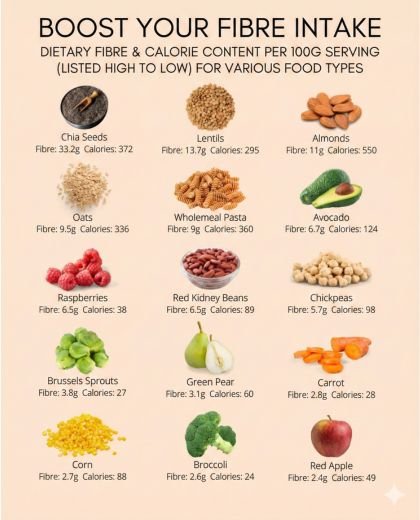
Dietary fibre is a type of carbohydrate found in plant-based foods that the human body cannot fully digest. Unlike sugars and starches, fibre passes through the digestive system largely intact, playing a vital role in maintaining gut function.
There are two main types of fibre:
1. Soluble Fibre
Soluble fibre dissolves in water to form a gel-like substance. It helps:
- Lower cholesterol levels
- Regulate blood sugar
- Improve heart health
Sources: Oats, barley, apples, citrus fruits, carrots, beans, and lentils.
2. Insoluble Fibre
Insoluble fibre adds bulk to stool and helps food pass smoothly through the digestive tract. It is especially important for preventing constipation.
Sources: Whole wheat, brown rice, nuts, seeds, cauliflower, and green leafy vegetables.
Understanding the role of fibre in diet requires including both types in daily meals for complete digestive support.
Role of Fibre in Diet for Digestive Health
One of the most important roles of fibre is maintaining a healthy digestive system. Fibre promotes regular bowel movements, prevents constipation, and supports a balanced gut microbiome.
Key digestive benefits include:
- Improved stool consistency
- Reduced bloating and acidity
- Lower risk of piles (hemorrhoids)
- Prevention of irritable bowel symptoms
For individuals experiencing frequent digestive discomfort, consulting a gastroenterologist in Gurgaon can help identify fibre-related dietary gaps and create a personalised nutrition plan.
Role of Fibre in Diet for Gut Microbiome
Dietary fibre acts as food for beneficial gut bacteria. These bacteria ferment fibre to produce short-chain fatty acids that:
- Strengthen the gut lining
- Reduce inflammation
- Improve immunity
A fibre-rich diet is associated with better gut health, lower infection risk, and improved nutrient absorption.
Role of Fibre in Diet for Weight Management
Fibre helps in weight control by increasing satiety and reducing hunger pangs. High-fibre foods take longer to chew and digest, keeping you full for longer durations.
Benefits for weight management:
- Reduced calorie intake
- Better appetite control
- Lower risk of obesity
People struggling with weight-related digestive issues often benefit from fibre optimisation under medical guidance.
Role of Fibre in Diet for Blood Sugar Control
Fibre slows down the absorption of glucose into the bloodstream, helping prevent sudden sugar spikes. This makes fibre particularly important for:
- People with diabetes
- Individuals with insulin resistance
- Those at risk of metabolic disorders
Soluble fibre is especially beneficial in stabilising post-meal blood sugar levels.
Role of Fibre in Diet for Heart Health
A high-fibre diet is linked to improved cardiovascular health. Fibre helps:
- Lower LDL (bad) cholesterol
- Improve lipid profile
- Reduce blood pressure
Whole grains, fruits, vegetables, and legumes form the foundation of a heart-healthy, fibre-rich diet.
Daily Fibre Requirements
Recommended daily fibre intake:
- Men: 30-38 grams per day
- Women: 21-25 grams per day
Unfortunately, many individuals consume far less than recommended. Gradual increases in fibre intake, along with adequate hydration, are essential to avoid gas or bloating.
Best Natural Sources of Fibre
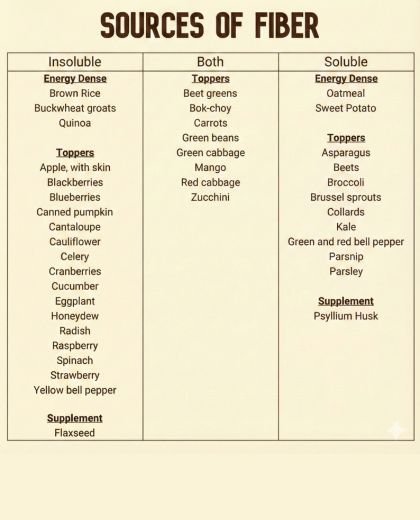
To fully benefit from the role of fibre in diet, include these foods regularly:
- Whole grains (oats, brown rice, whole wheat)
- Fruits (apple, pear, berries)
- Vegetables (broccoli, spinach, carrots)
- Pulses and legumes (dal, chickpeas, rajma)
- Nuts and seeds (flaxseeds, almonds)
When to Consult a Gastroenterologist
Persistent digestive symptoms such as constipation, acidity, bloating, or irregular bowel habits may indicate inadequate fibre intake or an underlying condition. Consulting a gastroenterologist in Gurgaon can help in diagnosing digestive disorders and planning a fibre-appropriate diet.
Dr Mukesh Nandal, Consultant at Atharva Gastro Clinic and Narayana Hospital, emphasises that a balanced fibre intake tailored to individual digestive needs plays a crucial role in long-term gut health and disease prevention.
Conclusion
The role of fibre in diet goes far beyond digestion. It supports gut health, weight management, blood sugar control, and heart health while reducing the risk of chronic diseases. Including a variety of fibre-rich foods in daily meals is one of the simplest and most effective ways to improve overall well-being.
For personalised dietary guidance and digestive care, consulting an experienced gastroenterologist ensures that fibre intake is both effective and safe for your specific health needs.