How to Ease a Bloating Stomach: Causes, Relief Tips, and When to See a Doctor
A bloating stomach is a common digestive complaint that affects people of all ages. It often causes a feeling of fullness, tightness, or swelling in the abdomen and may be accompanied by gas, discomfort, or visible abdominal distension. While occasional bloating is usually harmless and related to dietary habits, frequent or persistent symptoms can interfere with daily life and may indicate an underlying digestive issue.
Understanding the causes of bloating and knowing how to manage it can help improve digestive comfort and overall well-being.
What Is a Bloating Stomach?
A bloating stomach refers to a sensation of abdominal fullness, pressure, or swelling. Some people experience visible enlargement of the abdomen, while others mainly notice discomfort and a feeling of heaviness.
It is important to distinguish bloating from the normal fullness that occurs after eating a large meal. Temporary fullness generally resolves as digestion progresses, whereas bloating may persist for hours and can recur frequently.
Bloating commonly occurs when excess gas accumulates in the digestive tract or when the movement of food and waste through the intestines slows down.
Common Causes of Bloating
Identifying the causes of bloating is the first step toward finding effective relief. Several lifestyle, dietary, and medical factors can contribute to bloating.
1. Overeating
Eating large meals can stretch the stomach and slow digestion, leading to a feeling of fullness and abdominal discomfort.
2. Gas-Producing Foods
Certain foods naturally produce more gas during digestion, including:
- Beans and lentils
- Broccoli and cauliflower
- Cabbage
- Onions
- Carbonated beverages
These foods may trigger bloating, especially in sensitive individuals.
3. Food Intolerances
Food intolerances can cause digestive symptoms when the body has difficulty processing certain ingredients.
Common examples include:
- Lactose intolerance
- Gluten sensitivity
- Fructose intolerance
These conditions may result in bloating, gas, abdominal pain, and diarrhea.
4. Constipation
When bowel movements become infrequent or difficult, stool can accumulate in the intestines, leading to abdominal pressure and bloating.
5. Irritable Bowel Syndrome (IBS)
IBS is a common digestive disorder that often causes bloating, abdominal pain, constipation, diarrhea, or alternating bowel habits.
6. Digestive Disorders
Certain digestive conditions may contribute to persistent bloating, including:
- Gastroesophageal reflux disease (GERD)
- Small intestinal bacterial overgrowth (SIBO)
- Inflammatory bowel disease (IBD)
- Celiac disease
7. Hormonal Changes
Many women experience bloating before or during menstruation due to hormonal fluctuations that affect fluid retention and digestion.
8. Stress and Eating Habits
Stress can affect the digestive system and alter gut function. Eating too quickly, talking while eating, or swallowing excess air can also increase bloating and gas.
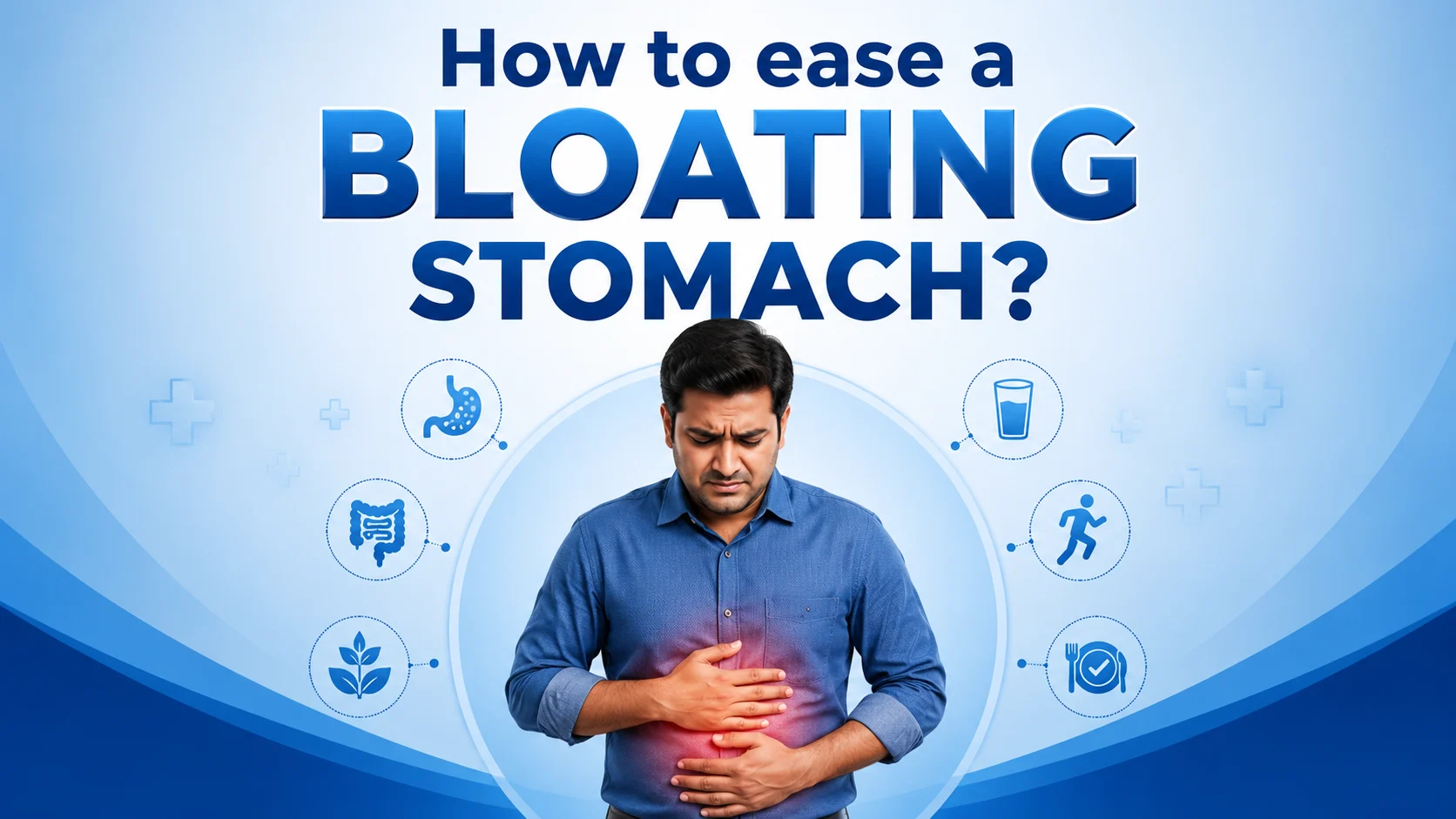
How to Ease a Bloating Stomach
Many people wonder how to ease a bloating stomach quickly and safely. The following evidence-based strategies maaMany people wonder how to ease a bloating stomach quickly and safely. The following evidence-based strategies may help reduce symptoms and improve digestion.y help reduce symptoms and improve digestion.
Eat Slowly and Mindfully
Eating too fast can cause you to swallow excess air, contributing to bloating. Chew food thoroughly and take your time during meals.
Avoid Carbonated Drinks
Soft drinks and sparkling beverages contain carbon dioxide gas, which can increase abdominal bloating and discomfort.
Stay Hydrated
Drinking adequate water helps support digestion and may prevent constipation, a common contributor to bloating.
Increase Physical Activity
Regular movement encourages healthy bowel function and helps gas move through the digestive tract. Even a short walk after meals can be beneficial.
Manage Constipation
If constipation is contributing to bloating, increasing dietary fiber gradually and maintaining proper hydration may help. Some individuals may require medical guidance for persistent symptoms.
Keep a Food Diary
Tracking meals and symptoms can help identify foods that trigger bloating. This information may be useful when discussing symptoms with a healthcare professional.
Limit Trigger Foods
If certain foods consistently cause symptoms, reducing or avoiding them may provide relief. Common triggers include highly processed foods, excess sugar alcohols, and foods associated with intolerances.
Maintain Healthy Eating Habits
Simple lifestyle measures can significantly improve digestive health:
- Eat regular meals
- Avoid overeating
- Limit excessive fatty foods
- Reduce stress levels
- Get adequate sleep
These habits can help support normal digestion and reduce recurrent bloating.
When Should You Consult a Gastroenterologist?
Occasional bloating is usually not a cause for concern. However, medical evaluation is recommended if symptoms become persistent, severe, or are accompanied by warning signs.
Seek medical attention if you experience:
- Persistent or worsening bloating
- Unexplained weight loss
- Blood in the stool
- Severe abdominal pain
- Frequent vomiting
- Difficulty swallowing
- Significant changes in bowel habits
- Persistent diarrhea or constipation
These symptoms may indicate an underlying digestive condition that requires professional evaluation and treatment.
Consulting an experienced gastroenterologist in Gurgaon can help identify the cause of ongoing digestive symptoms through appropriate examination and testing.
Expert Advice from Dr Mukesh Nandal
Dr Mukesh Nandal
MBBS; MD (General Medicine); DrNB (Gastroenterology)
Senior Consultant
Narayana Hospital, Gurgaon
Atharva Gastro Clinic, Sector 10A, Gurgaon
“Occasional bloating is a common digestive symptom and is often related to dietary habits, gas formation, or temporary digestive disturbances. However, if bloating occurs frequently, becomes persistent, or is associated with symptoms such as weight loss, severe pain, or changes in bowel habits, a proper medical evaluation is important. Identifying the underlying cause allows for targeted treatment and better long-term digestive health.”
Conclusion
A bloating stomach can be uncomfortable, but in many cases, symptoms improve with simple lifestyle and dietary changes. Understanding the causes of bloating, identifying personal triggers, staying active, and maintaining healthy eating habits can help reduce discomfort.
If you are searching for how to ease a bloating stomach and symptoms continue despite these measures, do not ignore persistent digestive issues. Consulting a qualified gastroenterologist in Gurgaon can help determine the underlying cause and guide appropriate treatment for lasting relief.