

What Is a Colonoscopy? Warning Signs, Preparation, and What to Expect
Digestive problems such as persistent abdominal pain, changes in bowel habits, constipation, diarrhoea, or blood in the stool should not always be dismissed as minor stomach issues. While many digestive symptoms have common and treatable causes, some may require further medical evaluation to identify the underlying condition.
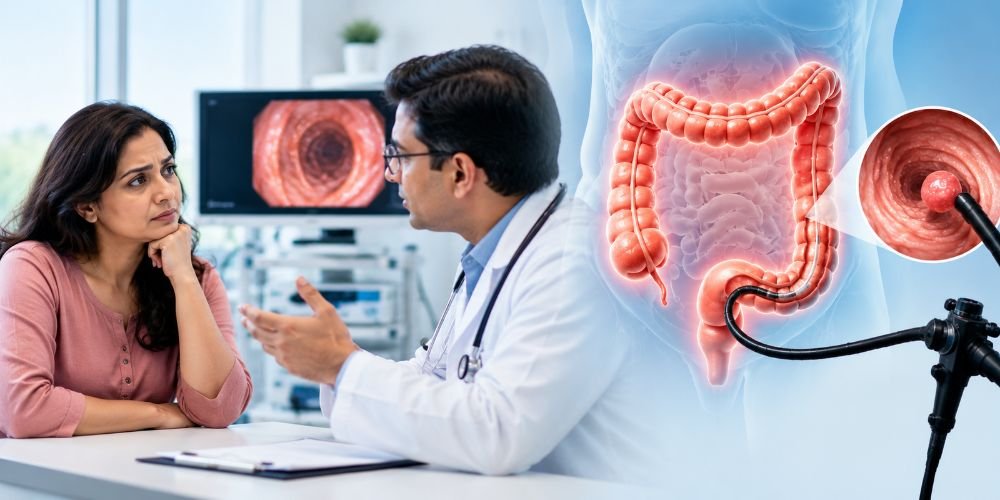
A colonoscopy is an important diagnostic procedure that allows a doctor to examine the inner lining of the large intestine, including the colon and rectum. It can help identify inflammation, ulcers, polyps, sources of bleeding, and signs of colorectal cancer. It is also used for colorectal cancer screening in appropriate individuals.
If you are experiencing ongoing digestive symptoms or have been advised to undergo a colonoscopy, understanding the procedure can help you feel more prepared and confident about your next steps.
For people exploring Colonoscopy in Gurgaon, this guide explains what a colonoscopy is, why it may be recommended, which warning signs to watch for, how to prepare, and what to expect before and after the procedure.
What Is a Colonoscopy?
A colonoscopy is a medical procedure in which a doctor uses a thin, flexible tube with a small camera and light, called a colonoscope, to examine the inside of the colon and rectum.
The colon and rectum form the final part of the digestive system. They help absorb water from digested food and store waste before it leaves the body.
During a colonoscopy, the doctor examines the intestinal lining on a monitor to look for abnormalities. If necessary, small tissue samples called biopsies may be collected for laboratory testing. Certain growths, known as polyps, may also be removed during the procedure.
A colonoscopy may be recommended for two main reasons:
- Diagnostic colonoscopy: To investigate symptoms such as rectal bleeding, persistent diarrhoea, unexplained abdominal pain, or changes in bowel habits.
- Screening or surveillance colonoscopy: To assess colorectal cancer risk or monitor individuals with a relevant medical or family history or previously identified abnormalities.
The decision to undergo a colonoscopy depends on your symptoms, age, medical history, risk factors, and your doctor’s clinical assessment.
Why Is a Colonoscopy Recommended?
A colonoscopy helps doctors investigate conditions affecting the large intestine. It provides a direct view of the intestinal lining, which can help guide diagnosis and further treatment.
Your doctor may recommend a colonoscopy for the following reasons.
1. Persistent Changes in Bowel Habits
Changes in bowel habits may include constipation that does not improve, frequent diarrhoea, alternating constipation and diarrhoea, or a noticeable change in stool consistency.
These symptoms can occur for several reasons, including dietary changes, infections, medication effects, and digestive disorders. When symptoms persist or occur alongside other warning signs, a doctor may recommend further investigation.
2. Blood in the Stool
Blood in the stool or bleeding from the rectum should be medically assessed. Possible causes include haemorrhoids, anal fissures, intestinal inflammation, polyps, and other conditions.
Although some causes are relatively common and treatable, bleeding should not automatically be attributed to piles without an appropriate assessment. A colonoscopy may be recommended depending on the amount and pattern of bleeding, associated symptoms, and individual risk factors.
3. Unexplained Abdominal Pain
Recurring or persistent abdominal discomfort may sometimes indicate a problem affecting the digestive tract.
If the pain is accompanied by changes in bowel habits, rectal bleeding, unexplained weight loss, or other concerning symptoms, your doctor may consider a colonoscopy as part of the diagnostic process.
Not every episode of abdominal pain requires this procedure. The need for testing depends on the clinical findings.
4. Unexplained Anaemia or Fatigue
Iron-deficiency anaemia can sometimes develop because of blood loss from the gastrointestinal tract. In some cases, the bleeding may be too small to notice.
If blood tests show unexplained iron deficiency or anaemia, a doctor may recommend gastrointestinal investigations, including a colonoscopy, depending on the patient’s age, medical history, and other findings.
5. Suspected Inflammatory Bowel Disease
Conditions such as ulcerative colitis and Crohn’s disease can cause inflammation in the digestive tract.
Symptoms may include persistent diarrhoea, abdominal pain, blood in the stool, urgency to pass stools, and unintended weight loss.
A colonoscopy with biopsies may help doctors assess intestinal inflammation and establish or clarify a diagnosis when clinically appropriate.
6. Colorectal Cancer Screening
Colorectal cancer can develop without noticeable symptoms, particularly during its early stages. Screening can help identify precancerous polyps or cancer before symptoms appear.
The appropriate age to begin screening and the choice of test depend on local recommendations, personal risk factors, family history, and medical advice. For example, some international guidelines recommend average-risk screening beginning at age 45. This should not be treated as a universal age threshold for every individual in India.
People with a family history of colorectal cancer, previous polyps, inflammatory bowel disease, or certain inherited conditions may need an earlier or more individualised screening plan.
Warning Signs You Should Not Ignore
Recognising persistent or unusual digestive symptoms is an important part of protecting your digestive health.
Consider consulting a qualified doctor if you experience any of the following symptoms.
Blood in the Stool or Rectal Bleeding
Blood may appear bright red, dark red, or as black, tar-like stools. The appearance can provide clues about the source of bleeding, but it cannot reliably establish the cause on its own.
Repeated bleeding, bleeding accompanied by abdominal pain, or bleeding associated with fatigue or dizziness needs prompt assessment.
Persistent Diarrhoea or Constipation
Occasional changes in bowel movements can occur due to diet, hydration, stress, or temporary illness. However, persistent symptoms, a new change in bowel habits, or symptoms accompanied by bleeding or weight loss should be evaluated.
Unexplained Weight Loss
Losing weight without intentionally changing your diet or activity level can have several causes. If it occurs alongside persistent digestive symptoms, medical assessment is important.
Recurrent Abdominal Pain or Bloating
Bloating and abdominal discomfort are common and do not necessarily indicate a serious condition. However, ongoing or worsening symptoms, especially when associated with bowel changes or bleeding, may require further investigation.
Persistent Fatigue or Weakness
Unexplained fatigue, weakness, breathlessness, or dizziness can sometimes be associated with anaemia or other medical conditions. Your doctor may recommend blood tests and further investigations based on your symptoms.
A Family History of Colorectal Cancer or Polyps
A close relative with colorectal cancer or certain types of intestinal polyps may increase your risk. Your doctor can review your family history and determine whether screening should begin earlier or occur more frequently.
Important: These symptoms do not automatically mean you have colorectal cancer or need a colonoscopy. They indicate that a medical assessment may be appropriate.
Seek emergency medical care if you experience heavy rectal bleeding, fainting, severe or rapidly worsening abdominal pain, or other symptoms suggesting a serious acute condition.
What Conditions Can a Colonoscopy Detect?
A colonoscopy can help identify several conditions affecting the colon and rectum.
| Condition | How colonoscopy may help |
| Colorectal polyps | Identifies growths that may be removed and sent for testing. |
| Colorectal cancer | Detects suspicious lesions and allows tissue sampling for diagnosis. |
| Ulcerative colitis | Helps assess inflammation in the colon and obtain biopsies. |
| Crohn’s disease | May reveal intestinal inflammation or other abnormalities in the areas examined. |
| Diverticular disease | Can identify diverticula, although it is not usually the preferred test for an acute episode of diverticulitis. |
| Intestinal bleeding | May help locate a source of bleeding in the colon or rectum. |
| Unexplained bowel symptoms | Helps investigate selected causes of persistent diarrhoea, changes in bowel habits, or other symptoms. |
A colonoscopy does not detect every digestive disorder. Conditions affecting the stomach, small intestine, pancreas, gallbladder, or other organs may require different investigations.
The findings must be interpreted alongside your symptoms, examination, laboratory tests, and medical history.
How Should You Prepare for a Colonoscopy?
Proper preparation is essential for an effective colonoscopy. The bowel must be sufficiently clean so that the doctor can clearly examine the intestinal lining.
If stool remains in the colon, small polyps or other abnormalities may be difficult to see. Inadequate preparation may mean that the procedure needs to be repeated.
Your healthcare team will provide specific instructions based on your appointment time, medical history, and the bowel preparation prescribed.
1. Follow the Recommended Diet
You may be advised to follow a low-fibre diet for a short period before the procedure. Foods such as whole grains, nuts, seeds, and raw vegetables may need to be avoided during this period.
Your doctor may also prescribe a clear-liquid diet for a specified period before the colonoscopy.
Examples of permitted clear liquids may include water, clear broth, and certain pulp-free drinks, depending on your instructions.
Follow the instructions provided by your healthcare team regarding when to stop eating and drinking. Do not assume that all liquids are permitted immediately before the procedure.
2. Take the Prescribed Bowel Preparation
A bowel preparation medicine, usually a laxative solution, helps clear stool from the colon. It often causes frequent bowel movements and may require you to remain close to a toilet.
Take the preparation exactly as instructed. Do not change the dose, timing, or prescribed solution without medical advice.
If you cannot complete the preparation because of vomiting, severe discomfort, or another problem, contact your healthcare team.
3. Inform Your Doctor About Your Medicines
Before the procedure, tell your doctor about all medicines, vitamins, and supplements you take.
This is particularly important if you use:
- Blood-thinning medicines or antiplatelet drugs
- Medicines for diabetes, including insulin
- Medicines for heart or kidney conditions
- Iron supplements
- Medicines that may affect bowel function or sedation
Some medicines may require adjustments, but you should never stop prescribed medication on your own.
Also inform your doctor if you have significant medical conditions, medication allergies, a history of reactions to sedation, or if you are pregnant or may be pregnant.
4. Arrange Transport Home
If sedation is planned, arrange for a responsible adult to accompany you home, as advised by the facility.
You may not be permitted to drive, operate machinery, or make important decisions for a specified period after sedation. Follow the discharge instructions provided by your healthcare team.
What Happens During a Colonoscopy?
Knowing what happens during the procedure can help reduce uncertainty and anxiety.
Step 1: Pre-Procedure Assessment
Before the colonoscopy, the medical team will review your symptoms, medical history, medications, allergies, and bowel preparation.
The doctor will explain the procedure, its potential benefits and risks, and any available alternatives relevant to your situation. You can ask questions before providing informed consent.
Step 2: Sedation and Positioning
Depending on the clinical setting and your individual needs, medication may be offered to help you relax or remain comfortable.
You will generally lie on your side on an examination table. The healthcare team will monitor you as appropriate during the procedure.
Step 3: Examination of the Colon
The doctor gently inserts the colonoscope through the anus and guides it through the rectum and colon.
A small amount of air or carbon dioxide may be introduced to improve visibility. The camera sends images to a monitor, allowing the doctor to examine the intestinal lining.
You may experience pressure, cramping, or bloating. The level of discomfort varies between individuals and depends on the procedure and the sedation used.
Step 4: Biopsy or Polyp Removal, If Required
If the doctor identifies an area that needs further assessment, a small tissue sample may be collected for laboratory analysis.
If suitable polyps are found, they may be removed during the procedure. Removing certain precancerous polyps can reduce the risk of colorectal cancer developing from those growths.
The removed tissue may be sent to a laboratory for examination. The need for additional treatment or surveillance depends on the findings.
Step 5: Recovery and Initial Results
After the procedure, you will be monitored until the healthcare team considers it appropriate for you to leave.
The doctor may explain the initial findings, including whether polyps were removed or biopsies were taken. However, final biopsy results may take several days or longer.
The overall appointment may take longer than the procedure itself because of preparation, assessment, and recovery.
Is a Colonoscopy Painful?
A colonoscopy is generally well tolerated, but the experience varies from person to person.
Some people feel mild pressure, bloating, or abdominal cramps. Others may experience greater discomfort, depending on their anatomy, the findings, and the type of sedation or pain relief used.
Sedation may help reduce discomfort and anxiety, but the options available vary by facility and individual circumstances.
If you are concerned about pain, discuss your preferences and medical history with your doctor before the procedure. Ask about the available comfort measures, sedation options, and associated risks.
It is important to understand that no procedure can be guaranteed to be completely painless or risk-free.
What Happens After a Colonoscopy?
Most people recover without significant problems and can return to their usual activities according to the advice given by their healthcare team.
You may experience temporary bloating, gas, or mild abdominal cramps after the procedure. These symptoms generally improve as the gas passes.
Your recovery instructions may include the following:
- Follow the advice given about restarting food and fluids.
- Take it easy for the remainder of the day if sedation was used.
- Avoid driving for the period specified in your discharge instructions.
- Follow any additional precautions if a polyp was removed or a biopsy was performed.
- Attend your follow-up appointment to discuss the results and next steps.
A small amount of bleeding may occur after a biopsy or polyp removal. However, heavy or persistent bleeding should not be ignored.
Seek urgent medical attention if you develop severe or worsening abdominal pain, fever, significant rectal bleeding, dizziness, fainting, or persistent vomiting after a colonoscopy.
What Are the Risks of a Colonoscopy?
Colonoscopy is a commonly performed procedure, but it carries some risks.
Possible complications include:
- Bleeding, particularly after a polyp is removed.
- Perforation, which is a tear or hole in the bowel wall.
- Adverse reactions to sedative or anaesthetic medicines.
- In rare cases, cardiovascular or breathing complications associated with sedation.
- Incomplete examination or missed abnormalities, especially if bowel preparation is inadequate or parts of the colon cannot be examined properly.
The likelihood of complications depends on factors such as your overall health, the complexity of the procedure, and whether interventions such as polyp removal are required.
Before the procedure, discuss your individual risk factors with your doctor. The decision to proceed should consider the potential benefits, risks, and any suitable alternatives.
How Long Does a Colonoscopy Take?
The examination itself commonly takes around 30 to 60 minutes, although the time may vary depending on the complexity of the procedure and whether polyps need to be removed.
You should allow additional time for registration, pre-procedure assessment, preparation checks, sedation, and recovery.
If biopsies are taken or polyps are removed, additional laboratory testing and follow-up may be necessary.
Your healthcare team can provide more specific information about the expected duration based on your planned procedure.
When Should You Consider a Colonoscopy in Gurgaon?
If you are experiencing persistent digestive symptoms, your first step should be a medical assessment rather than deciding on a test based on symptoms alone.
People searching for Colonoscopy in Gurgaon may be looking for information about investigating rectal bleeding, persistent bowel changes, unexplained anaemia, or possible colorectal disease.
Similarly, individuals looking for Colonoscopy in New Gurgaon may want to understand where to seek an evaluation and what the procedure involves before making an informed decision.
A consultation with Dr. Mukesh Nandal can be a starting point for discussing your digestive symptoms, relevant medical history, and whether a colonoscopy or another investigation may be appropriate.
During your consultation, consider discussing:
- The symptoms you have experienced and how long they have lasted.
- Any previous digestive investigations or diagnoses.
- Your family history of colorectal cancer or intestinal polyps.
- Your current medications and other medical conditions.
- The preparation process, sedation options, risks, and follow-up arrangements.
The choice of investigation should be based on clinical need. A colonoscopy is not necessary for every episode of constipation, bloating, or abdominal discomfort.
Frequently Asked Questions About Colonoscopy
1. What is a colonoscopy used for?
A colonoscopy is used to examine the inner lining of the colon and rectum. It can help investigate rectal bleeding, persistent changes in bowel habits, unexplained abdominal symptoms, suspected inflammatory bowel disease, and other conditions. It is also used for colorectal cancer screening and surveillance in appropriate individuals.
2. Who may need a colonoscopy?
A colonoscopy may be recommended for people with persistent or concerning bowel symptoms, unexplained gastrointestinal bleeding, certain forms of anaemia, a family history of colorectal cancer, previous polyps, or other relevant risk factors. It may also be offered for routine screening, depending on age and individual risk.
3. Is a colonoscopy safe?
Colonoscopy is generally considered safe when appropriately indicated and performed by a trained professional in a suitable clinical setting. However, complications such as bleeding, bowel perforation, and reactions to sedation can occur. Your doctor can explain the risks relevant to your health and planned procedure.
4. How do I prepare for a colonoscopy?
Preparation usually involves following specific dietary instructions, taking a prescribed bowel-cleansing medicine, and adjusting certain medicines if advised by your doctor. Following the instructions carefully improves visibility during the examination and reduces the likelihood of an incomplete procedure.
5. Can a colonoscopy detect colorectal cancer?
Yes. A colonoscopy can identify suspicious areas and allow tissue samples to be collected for laboratory examination. It can also detect and remove certain polyps that may develop into cancer over time. A suspicious appearance alone does not confirm cancer, and a biopsy may be required for diagnosis.
6. How long does it take to recover from a colonoscopy?
Many people recover from the immediate effects within a few hours and resume normal activities by the following day, depending on whether sedation was used and whether any treatment was performed. You should follow your specific discharge instructions and seek medical advice if concerning symptoms develop.
7. Is colonoscopy necessary if I do not have symptoms?
Not necessarily for everyone. However, colorectal cancer screening may be recommended for people who have no symptoms but meet relevant age or risk criteria. A doctor can help determine the most appropriate screening approach based on your personal and family history.
8. What should I do if my colonoscopy results are abnormal?
Abnormal findings do not always mean cancer. Polyps, inflammation, and other changes may require different types of follow-up. If a biopsy was taken, your doctor will review the pathology report and explain whether treatment, monitoring, or further investigations are needed.
9. Where can I seek advice about colonoscopy in Gurgaon or New Gurgaon?
If you have persistent digestive symptoms or have been advised to undergo a colonoscopy, you can consult Dr. Mukesh Nandal to discuss your symptoms and the appropriate next steps. Confirm the consultation location, procedure availability, and any preparation requirements directly with the clinic.
Conclusion
A colonoscopy is a valuable diagnostic and screening tool that helps doctors examine the colon and rectum, investigate concerning digestive symptoms, and identify certain abnormalities before they progress.
Warning signs such as persistent changes in bowel habits, rectal bleeding, unexplained anaemia, and unintended weight loss deserve appropriate medical attention. Early evaluation can help identify the cause of symptoms and guide timely care.
If you are considering Colonoscopy in Gurgaon, speak with Dr. Mukesh Nandal about your symptoms, risk factors, and whether the procedure is appropriate for you.
Understanding the preparation process, what happens during the examination, and the possible risks can help you approach the procedure with greater confidence and make informed decisions about your digestive health.
Medically Reviewed By: Dr. Mukesh Nandal
- Qualifications: MBBS, MD (Internal Medicine), DNB (Medical Gastroenterology)
- Specialty: Gastroenterology
- Medical Registration Number: 6587, Delhi Medical Council