

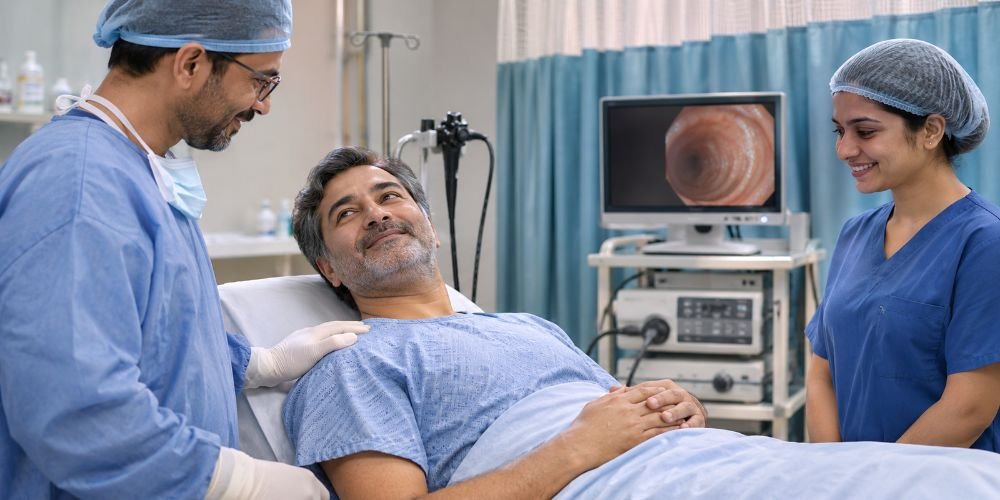
Is a Colonoscopy Painful? A Complete Guide for First-Time Patients
The thought of undergoing a colonoscopy can make many people nervous, especially if they have never had the procedure before. Questions about pain, discomfort, preparation, sedation, and recovery are completely natural. One of the most common concerns patients have is, “Will a colonoscopy hurt?”
The reassuring news is that a colonoscopy is generally well tolerated. Most patients experience little or no pain during the procedure, particularly when appropriate sedation is used. Some may experience temporary bloating, abdominal pressure, or mild cramping afterwards. The experience can vary depending on individual sensitivity, medical history, and the sedation method used.
A colonoscopy is an important diagnostic procedure that allows a doctor to examine the inner lining of the large intestine and rectum. It helps identify conditions such as intestinal inflammation, polyps, unexplained bleeding, and colorectal cancer.
If you have been advised to undergo a colonoscopy in Gurgaon, understanding what happens before, during, and after the procedure can help you feel more confident and prepared.
In this guide, Dr. Mukesh Nandal explains what first-time patients should know about colonoscopy, including pain levels, preparation, sedation, recovery, and when the procedure may be recommended.
What Is a Colonoscopy?
A colonoscopy is a medical procedure used to examine the inside of the colon (large intestine) and rectum. It is performed using a thin, flexible instrument called a colonoscope.
The colonoscope has a small camera and light at its tip, allowing the doctor to view the intestinal lining on a monitor. It is gently inserted through the anus and advanced through the colon.
During the examination, the doctor can:
- Identify inflammation, ulcers, and abnormal growths.
- Detect and remove certain colon polyps.
- Investigate unexplained rectal bleeding.
- Examine persistent changes in bowel habits.
- Collect tissue samples (biopsies) for laboratory examination.
- Screen for colorectal cancer in appropriate patients.
A colonoscopy is not only a diagnostic test. It can also help prevent colorectal cancer because certain precancerous polyps can be detected and removed during the same procedure.
Is a Colonoscopy Painful?
For most patients, a colonoscopy is not as painful as they expect. The procedure is generally performed with sedation or other appropriate comfort measures, depending on the patient’s health, clinical requirements, and available facilities.
However, the experience differs from person to person.
Some patients may experience:
- Mild abdominal cramping.
- A feeling of pressure in the abdomen.
- Temporary bloating due to air or carbon dioxide introduced into the colon.
- A sensation of needing to pass gas.
- Mild discomfort when the colonoscope moves through bends in the intestine.
With sedation, many patients feel relaxed or sleepy and may remember very little about the examination.
It is important to understand that sedation is not identical to general anaesthesia. The type of sedation used depends on the patient’s condition, the procedure, and the medical team’s assessment.
If you are worried about pain, discuss your concerns with your gastroenterologist before the examination. The doctor can explain suitable comfort options and help you understand what to expect.
Why Do Some Patients Experience Discomfort During a Colonoscopy?
Although colonoscopy is generally well tolerated, certain factors can influence how comfortable the procedure feels.
1. Air or Gas in the Colon
During the examination, the doctor introduces air or carbon dioxide to expand the colon and improve visibility. This may cause temporary bloating, abdominal pressure, or cramps.
Carbon dioxide is absorbed more quickly than room air, which may help reduce post-procedure bloating.
2. Natural Bends in the Intestine
The colon contains several curves and bends. Moving the colonoscope through these areas may sometimes cause temporary stretching or pressure.
3. Individual Pain Sensitivity
Every patient has a different pain threshold. Some people are more sensitive to abdominal pressure or intestinal stretching than others.
4. Previous Abdominal Surgery
Patients with a history of abdominal or pelvic surgery may have internal scar tissue called adhesions. In some cases, these can make the examination technically more challenging.
5. Anxiety and Nervousness
Feeling anxious before a medical procedure is common. Anxiety may make patients more sensitive to physical sensations. Understanding the procedure and discussing sedation options can help reduce these concerns.
What Happens During a Colonoscopy?
Knowing the procedure step by step can make your first colonoscopy less intimidating.
Step 1: Initial Assessment
Before the procedure, the doctor reviews your symptoms, medical history, medications, allergies, and previous surgical procedures.
You may be asked about blood-thinning medications, diabetes medicines, and other drugs that could affect preparation or the procedure.
Do not stop prescribed medication without instructions from your treating doctor.
Step 2: Getting Ready for the Procedure
You will change into a hospital gown and be asked to lie on your side, usually with your knees slightly bent.
The medical team may check your blood pressure, pulse, and oxygen levels. An intravenous line may be placed if sedation is planned.
Step 3: Sedation and Comfort Measures
Depending on your clinical needs and the planned procedure, sedation may be administered to help you relax and minimise discomfort.
The medical team monitors your condition throughout the examination.
Step 4: Inserting the Colonoscope
The doctor gently inserts the flexible colonoscope through the anus and guides it through the rectum and colon.
The camera sends images to a monitor, allowing the doctor to examine the intestinal lining carefully.
Step 5: Examination and Treatment
If polyps, abnormal tissue, or suspicious areas are identified, the doctor may remove suitable polyps or collect biopsy samples.
These samples may be sent to a laboratory for further examination.
Step 6: Completion and Observation
After the examination, the colonoscope is removed. You are then shifted to a recovery area for observation, particularly if sedation was administered.
The medical team will explain the initial findings and provide instructions for recovery.
How Should You Prepare for a Colonoscopy?
Proper preparation is essential for a successful colonoscopy. The colon must be sufficiently clean so that the doctor can clearly examine its inner lining.
If stool remains inside the colon, small polyps or abnormal areas may be difficult to identify.
Here are some common preparation instructions.
1. Follow the Recommended Diet
Your doctor may advise you to follow a low-fibre or low-residue diet before the procedure.
Depending on the preparation schedule, you may be asked to avoid foods such as:
- Whole grains and cereals.
- Nuts and seeds.
- Raw vegetables.
- Fruits with seeds or skins.
- High-fibre foods.
You may also be instructed to consume clear liquids during a specific period before the examination.
2. Take the Prescribed Bowel Preparation Medicine
A bowel-cleansing solution or laxative is generally prescribed to empty the colon.
Follow the exact timing and dosage recommended by your doctor. Some preparation schedules involve taking the solution in two separate doses.
Do not change the preparation schedule yourself.
3. Discuss Your Existing Medications
Inform your doctor if you take:
- Blood thinners.
- Diabetes medications or insulin.
- Blood pressure medicines.
- Iron supplements.
- Medicines for heart or kidney conditions.
Some medications may require adjustment, but this should only be done under medical supervision.
4. Arrange Someone to Accompany You
If you receive sedation, you may not be allowed to drive or operate machinery afterwards.
Arrange for a responsible adult to accompany you and help you return home safely.
How Long Does a Colonoscopy Take?
A routine colonoscopy generally takes around 20 to 45 minutes, although the duration may vary.
The procedure may take longer if:
- The colon is difficult to examine.
- The doctor identifies and removes polyps.
- Biopsies are collected.
- Additional examination or treatment is required.
You should also allow time for registration, preparation checks, sedation, and recovery.
The total time spent at the medical facility is usually longer than the examination itself.
What Happens After a Colonoscopy?
Most patients can return home on the same day after the medical team confirms that they are stable.
However, recovery depends on whether sedation was used and whether any additional procedure was performed.
Common Temporary Side Effects
Some patients may experience:
- Mild abdominal bloating.
- Passing gas more frequently.
- Mild abdominal cramps.
- Temporary sleepiness or dizziness after sedation.
- A small amount of bleeding following a biopsy or polyp removal.
These symptoms generally improve within a short period.
What Should You Eat After a Colonoscopy?
Unless your doctor provides different instructions, you can usually restart eating gradually after the procedure.
Consider:
- Drinking sufficient fluids.
- Starting with light meals.
- Eating easily digestible foods initially if you feel bloated.
- Returning to your regular diet as tolerated.
If a polyp has been removed or a biopsy performed, follow the specific dietary and activity instructions provided by your doctor.
When Should You Seek Medical Attention After a Colonoscopy?
Although complications are uncommon, it is important to recognise warning signs.
Contact your doctor or seek urgent medical attention if you experience:
- Severe or worsening abdominal pain.
- Persistent or heavy rectal bleeding.
- Fever or chills.
- Persistent vomiting.
- Significant abdominal swelling.
- Dizziness, fainting, or unusual weakness.
These symptoms may indicate a complication that requires medical assessment.
Possible complications include bleeding, particularly after polyp removal, and rarely, perforation of the intestinal wall.
Do not ignore severe or worsening symptoms after the procedure.
Why Is a Colonoscopy Recommended?
A doctor may recommend a colonoscopy for several diagnostic or preventive reasons.
Common indications include:
1. Unexplained Rectal Bleeding
Blood in the stool or bleeding from the rectum may be associated with haemorrhoids, inflammatory bowel disease, polyps, or other intestinal conditions. Colonoscopy may help identify the cause.
2. Persistent Changes in Bowel Habits
Ongoing constipation, diarrhoea, or unexplained changes in stool frequency and consistency may require further evaluation.
3. Chronic Abdominal Pain
Persistent or unexplained abdominal discomfort may sometimes require examination of the colon, depending on the patient’s symptoms and clinical assessment.
4. Unexplained Iron-Deficiency Anaemia
In some patients, iron-deficiency anaemia may be associated with gastrointestinal blood loss. Colonoscopy may be recommended as part of the investigation.
5. Screening for Colorectal Cancer
Colonoscopy can help detect precancerous polyps and colorectal cancer.
Screening recommendations depend on age, family history, personal medical history, and other risk factors. People with a family history of colorectal cancer or certain inherited conditions may require earlier or more frequent screening.
6. Monitoring Existing Intestinal Conditions
Patients with inflammatory bowel disease, previous polyps, or a history of colorectal cancer may require periodic colonoscopy based on their individual treatment and surveillance plans.
Is Colonoscopy Safe?
Colonoscopy is generally considered a safe procedure when performed by appropriately trained medical professionals in a suitable clinical setting.
However, like any medical procedure, it carries certain risks.
Potential complications include:
- Bleeding, particularly after polyp removal.
- Perforation of the colon.
- Reactions to sedative medications.
- Cardiopulmonary complications associated with sedation.
- Infection, which is uncommon.
The likelihood of complications depends on factors such as the patient’s health, the complexity of the examination, and whether additional interventions are performed.
Before the procedure, your doctor should explain its benefits, potential risks, and available alternatives so that you can make an informed decision.
How to Choose the Right Doctor for Colonoscopy in Gurgaon?
Choosing an experienced medical professional and an appropriate healthcare facility is important when planning a colonoscopy.
Before scheduling your procedure, consider the following:
- Relevant Medical Qualifications: Check whether the doctor has appropriate postgraduate qualifications and training in gastroenterology or endoscopic procedures.
- Experience in Endoscopic Procedures: Ask about the doctor’s experience in performing diagnostic and therapeutic colonoscopies.
- Appropriate Medical Facilities: The centre should have suitable endoscopy equipment, monitoring facilities, infection-control protocols, and emergency support.
- Clear Pre-Procedure Guidance: You should receive understandable instructions about bowel preparation, medication adjustments, fasting, and sedation.
- Proper Post-Procedure Care: Ask how the findings will be communicated, how biopsy reports will be shared, and whom to contact if you experience symptoms after the examination.
If you are searching for colonoscopy in Gurgaon, prioritise medical expertise, patient safety, transparent communication, and appropriate follow-up care rather than choosing a facility based only on convenience.
Frequently Asked Questions About Colonoscopy
1. Is a colonoscopy painful for first-time patients?
Most first-time patients tolerate colonoscopy well. Sedation and other comfort measures can reduce discomfort. Some patients may experience mild bloating, pressure, or cramps during or after the procedure.
2. Will I be awake during a colonoscopy?
It depends on the sedation method used. Some patients remain awake but relaxed, while others become drowsy and may remember little of the examination. Your doctor will explain the appropriate option.
3. How long does it take to recover from a colonoscopy?
Most patients recover from the immediate effects of the procedure within a few hours. If sedation is used, its effects may last longer. Follow your doctor’s instructions regarding driving, work, and physical activity.
4. Can I eat normally after a colonoscopy?
Most patients can resume eating after the procedure, depending on their condition and the doctor’s instructions. Starting with light food may be more comfortable if you experience bloating.
5. Is bowel preparation more uncomfortable than the colonoscopy?
Some patients find bowel preparation more inconvenient than the examination itself. The laxative solution causes frequent bowel movements and may lead to temporary bloating or abdominal discomfort.
6. Can a colonoscopy detect colon cancer?
Yes. Colonoscopy allows doctors to identify suspicious growths and collect tissue samples for laboratory testing. It can also help prevent colorectal cancer by detecting and removing certain precancerous polyps.
7. Can polyps be removed during a colonoscopy?
Yes. Many polyps can be removed during the examination using specialised instruments. The removed tissue may be sent for histopathological examination.
8. How often should I undergo a colonoscopy?
The recommended interval depends on your age, previous colonoscopy findings, family history, personal risk factors, and medical condition. Your doctor will recommend an appropriate screening or surveillance schedule.
9. Is colonoscopy necessary if I do not have symptoms?
Not necessarily for everyone. However, screening may be recommended for individuals who meet age-based or risk-based criteria, even if they feel healthy. Discuss your personal screening needs with your doctor.
10. Where can I get a colonoscopy in Gurgaon?
If you need a colonoscopy in Gurgaon, consult a qualified gastroenterologist who can assess your symptoms, medical history, and screening requirements before recommending the procedure.
Conclusion
A colonoscopy may sound intimidating, particularly if you are undergoing it for the first time. However, it is generally a well-tolerated procedure that plays an important role in diagnosing intestinal conditions and detecting colorectal cancer at an earlier stage.
Most patients experience minimal discomfort, especially when appropriate sedation and comfort measures are used. Proper bowel preparation, an experienced medical team, and following post-procedure instructions can make the overall experience smoother.
If your doctor has recommended a colonoscopy, do not let fear or misconceptions delay an important medical evaluation. Discuss your concerns, understand the preparation process, and make an informed decision about your healthcare.
For individuals considering colonoscopy in Gurgaon, Dr. Mukesh Nandal recommends seeking an appropriate medical evaluation to understand whether the procedure is necessary and how to prepare safely.