

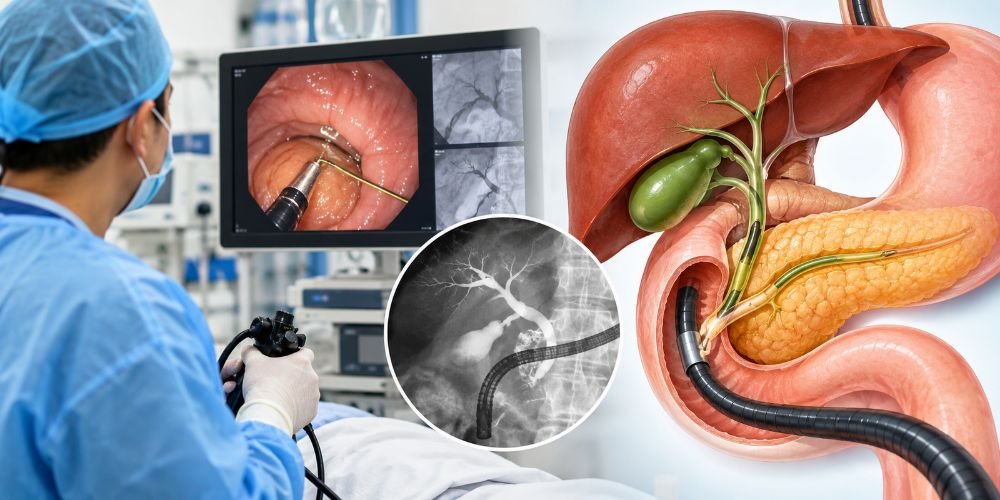
How ERCP Helps Diagnose Bile Duct and Pancreatic Problems
Problems affecting the bile ducts and pancreas can sometimes develop without obvious symptoms in the early stages. When symptoms appear, they may include abdominal pain, yellowing of the skin or eyes, nausea, fever, or changes in digestion. Identifying the underlying cause is important for choosing the right treatment and preventing potential complications.
One procedure that helps doctors investigate certain bile duct and pancreatic conditions is Endoscopic Retrograde Cholangiopancreatography (ERCP). It combines endoscopy with X-ray imaging to examine these ducts and, when necessary, treat problems such as blockages, stones, and narrowed passages.
For people researching ERCP diagnosis in Gurgaon, understanding why the procedure is recommended, how it works, and what to expect can help make discussions with a gastroenterologist more informed.
What Is ERCP and Why Is It Important?
ERCP stands for Endoscopic Retrograde Cholangiopancreatography. It is a specialised medical procedure used to examine the bile ducts and pancreatic ducts, particularly when a doctor suspects a blockage, narrowing, leak, or another structural problem.
The procedure involves passing a thin, flexible instrument called an endoscope through the mouth into the first part of the small intestine. A small catheter is then guided into the opening of the bile or pancreatic duct. Contrast material is introduced into the duct, and X-ray imaging helps the doctor identify abnormalities.
Unlike many diagnostic tests, ERCP can also allow treatment during the same procedure. For example, a doctor may remove certain bile duct stones, place a stent to improve drainage, or collect tissue samples when appropriate.
However, ERCP is an invasive procedure with potential risks. For diagnosis alone, doctors often prefer less invasive investigations, such as ultrasound, magnetic resonance cholangiopancreatography (MRCP), or endoscopic ultrasound (EUS), when these can answer the clinical question.
Understanding the Bile Ducts and Pancreas
To understand how ERCP works, it helps to know the roles of the bile ducts and pancreas in digestion.
What Do the Bile Ducts Do?
The liver produces bile, a digestive fluid that helps the body break down fats. Bile travels through a network of small ducts and may be stored in the gallbladder before being released into the small intestine.
If a bile duct becomes blocked or narrowed, bile may not drain properly. This can cause jaundice, abdominal discomfort, dark urine, pale stools, or other symptoms, depending on the underlying condition.
Common bile duct problems include:
- Gallstones lodged in the common bile duct.
- Narrowing of the bile duct, also called a stricture.
- Inflammation or infection affecting the biliary system.
- Bile leakage following certain procedures or injuries.
- Growths or tumours that obstruct bile flow.
What Does the Pancreas Do?
The pancreas produces digestive enzymes that help break down food and hormones, including insulin, that regulate blood glucose levels. Pancreatic fluid travels through pancreatic ducts into the small intestine.
When these ducts become blocked or narrowed, pancreatic drainage may be affected. Some conditions can lead to inflammation, recurrent pain, or other digestive complications.
Problems involving the pancreatic ducts may include stones, strictures, leaks, and certain structural changes associated with chronic pancreatitis or tumours.
Because the bile duct and pancreatic duct usually share an opening into the small intestine, a problem affecting this area may interfere with the normal flow of bile, pancreatic fluid, or both.
How ERCP Helps Diagnose Bile Duct Problems
ERCP may be recommended when symptoms, blood tests, or imaging findings suggest a bile duct problem that requires direct evaluation or treatment.
1. Detecting and Removing Bile Duct Stones
Gallstones can sometimes move from the gallbladder into the common bile duct. When a stone becomes lodged in the duct, it may obstruct bile flow and cause pain, jaundice, or infection.
ERCP can help identify the location of a suspected stone and may allow the doctor to remove it using specialised instruments.
Removing an obstructing stone can restore bile drainage and help address the cause of the blockage. The need for additional treatment, including possible gallbladder surgery, depends on the patient’s condition.
2. Investigating Bile Duct Narrowing
A bile duct stricture is an area where the duct has become narrower than normal. It may result from inflammation, previous surgery, injury, or certain diseases.
During ERCP, contrast imaging can help outline the affected area. Depending on the findings, the doctor may collect brushings or tissue samples to investigate the cause.
If treatment is appropriate, the narrowed area may be dilated or a stent may be placed to improve drainage.
3. Evaluating Obstructive Jaundice
Jaundice occurs when bilirubin builds up in the body, causing the skin and the whites of the eyes to appear yellow. Obstruction of bile flow is one possible cause.
Doctors may investigate jaundice using blood tests, ultrasound, CT, MRCP, or other appropriate examinations. If the findings indicate a bile duct obstruction requiring intervention, ERCP may help identify the cause and relieve the blockage.
Jaundice accompanied by fever, chills, or significant abdominal pain requires urgent medical assessment because a blocked bile duct can become infected.
4. Investigating Suspected Bile Duct Tumours
A tumour affecting the bile duct can interfere with normal bile flow. Symptoms may include jaundice, itching, dark urine, pale stools, or unexplained weight loss, although these symptoms can occur with other conditions as well.
ERCP may help define the location of a narrowing and allow the collection of cells or tissue samples for laboratory analysis. These samples may help doctors investigate whether the abnormality is benign or malignant.
ERCP findings alone do not always establish a cancer diagnosis. Further imaging, pathology, and specialist assessment may be necessary.
How ERCP Helps Investigate Pancreatic Problems
ERCP can also be useful in selected cases involving the pancreatic ducts, particularly when a problem requires direct intervention or additional ductal evaluation.
1. Identifying Pancreatic Duct Blockages
Pancreatic duct blockages may occur because of stones, strictures, or other abnormalities. Depending on their location and severity, these problems can interfere with pancreatic fluid drainage.
ERCP can outline the duct using contrast imaging and may help the doctor identify an obstruction. In suitable cases, treatment may include removing a stone, dilating a narrowing, or inserting a stent.
2. Assessing Duct Changes Associated With Chronic Pancreatitis
Chronic pancreatitis is a long-term inflammatory condition that can cause lasting changes to the pancreas. Some patients develop narrowed ducts, stones, or other structural abnormalities.
ERCP is generally not the first choice for diagnosing chronic pancreatitis. CT, MRI, MRCP, and EUS are often used to evaluate the pancreas.
However, ERCP may be considered when a patient has a pancreatic duct obstruction or another specific problem that may benefit from endoscopic treatment.
3. Investigating Pancreatic Duct Leaks
A pancreatic duct leak can occur in certain pancreatic injuries or complications associated with pancreatitis. When pancreatic fluid escapes from its normal pathway, it may contribute to fluid collections or other complications.
In selected cases, ERCP can help identify the leak and may allow a stent to be placed to support drainage and healing. The appropriate approach depends on the leak’s location, severity, and the patient’s overall condition.
4. Evaluating Selected Pancreatic Duct Abnormalities
Some patients have unexplained pancreatic duct narrowing or irregularities that require further assessment. ERCP may provide additional information when non-invasive imaging has not answered the clinical question and when the findings could change treatment.
When a pancreatic mass or suspected cancer is being investigated, CT, MRI, and EUS with tissue sampling are often important parts of the diagnostic process. ERCP may be used when there is an associated bile duct obstruction or a specific need for ductal sampling or drainage.
When Might a Doctor Recommend ERCP?
A gastroenterologist may consider ERCP when there is evidence of a bile duct or pancreatic duct problem that needs further evaluation or treatment.
Situations that may lead to an ERCP recommendation include:
- A suspected common bile duct stone that requires removal.
- Bile duct obstruction associated with jaundice.
- Suspected infection caused by an obstructed biliary system.
- A bile duct stricture that needs investigation or treatment.
- A pancreatic duct stone or narrowing causing significant symptoms.
- A suspected duct leak that may benefit from endoscopic intervention.
- A need for ductal tissue sampling in selected cases.
The decision should be based on the patient’s symptoms, examination, blood tests, imaging results, medical history, and the likely benefits and risks of the procedure.
ERCP is not routinely needed for every case of abdominal pain, gallstones, or pancreatitis. A doctor should establish a clear clinical reason before recommending it.
What Happens During an ERCP Procedure?
Knowing what happens during the procedure may help patients feel more prepared.
Step 1: Medical Assessment and Preparation
Before ERCP, the doctor reviews the patient’s symptoms, medical history, allergies, current medications, and relevant test results.
Patients are given specific instructions about fasting and medication adjustments. People taking blood thinners or medicines for diabetes should discuss their treatment plan with the medical team rather than stopping medication on their own.
The doctor also explains the reason for ERCP, potential benefits, alternatives, and possible complications.
Step 2: Sedation or Anaesthesia
ERCP is generally performed with sedation or anaesthesia to help the patient remain comfortable. The appropriate approach depends on the procedure and the patient’s medical condition.
Monitoring is carried out during the procedure to assess vital signs and identify potential problems.
Step 3: Inserting the Endoscope
The doctor gently guides the endoscope through the mouth, oesophagus, and stomach into the duodenum, which is the first part of the small intestine.
The endoscope allows the doctor to locate the opening where the bile and pancreatic ducts drain into the intestine.
Step 4: Examining the Ducts
A thin catheter is passed through the endoscope into the relevant duct. Contrast material is introduced, and X-ray imaging helps show the duct’s shape and identify suspected stones, narrowing, leaks, or blockages.
The findings guide the next step in the procedure.
Step 5: Treatment or Sample Collection, If Needed
If appropriate, the doctor may remove a stone, widen a narrowed passage, place a stent, or collect brushings or tissue samples.
Not every ERCP involves treatment or biopsy. The procedures performed depend on the findings and the patient’s clinical needs.
Step 6: Recovery and Follow-Up
After ERCP, the patient is monitored while the effects of sedation or anaesthesia wear off. The medical team provides instructions regarding food, medicines, activity, and follow-up.
Some findings may be discussed shortly after the procedure. If tissue samples were collected, laboratory results may take longer.
ERCP vs. MRCP vs. Endoscopic Ultrasound
Different tests help doctors investigate bile duct and pancreatic conditions. The most appropriate choice depends on the clinical question.
| Test | Main purpose | Important consideration |
| ERCP | Examines and treats selected bile duct and pancreatic duct problems | Invasive and carries procedure-related risks |
| MRCP | Produces detailed images of the bile and pancreatic ducts using MRI | Non-invasive and commonly used for diagnosis |
| EUS | Uses ultrasound from inside the digestive tract to examine the pancreas and nearby structures | Can help detect small abnormalities and obtain tissue samples |
| Abdominal ultrasound | Evaluates the gallbladder, bile duct dilation, and certain abdominal abnormalities | May not show the entire bile duct or pancreatic duct clearly |
| CT scan | Assesses the pancreas, surrounding organs, masses, and complications | Uses X-rays and may require contrast material |
For many patients, MRCP or EUS can provide useful diagnostic information without the risks associated with ERCP. ERCP is often preferred when the doctor anticipates that an identified problem may need endoscopic treatment.
What Are the Possible Risks of ERCP?
ERCP is an established medical procedure, but it is not risk-free. Possible complications include:
- Post-ERCP pancreatitis: Inflammation of the pancreas following the procedure.
- Bleeding: This may occur, particularly after certain therapeutic interventions.
- Infection: An infection may develop in the bile ducts or other affected areas.
- Perforation: A tear or hole may occur in the digestive tract or ductal structures.
- Sedation-related reactions: Some patients may experience breathing, blood pressure, or heart-related problems.
The likelihood of complications varies according to the patient’s health, the reason for ERCP, and the interventions performed. The treating doctor should explain the risks relevant to the individual case and discuss appropriate preventive measures.
Seek urgent medical attention after ERCP if you develop severe or worsening abdominal pain, fever, repeated vomiting, black or bloody stools, breathing difficulties, or other concerning symptoms.
How to Prepare for ERCP
Following the medical team’s instructions can help make the procedure safer and recovery smoother.
Before the appointment:
- Follow the fasting instructions provided by the hospital or endoscopy unit.
- Inform the doctor about allergies, existing medical conditions, and previous reactions to sedation or anaesthesia.
- Provide a complete list of prescription medicines, over-the-counter medicines, and supplements.
- Discuss blood thinners and diabetes medicines in advance.
- Tell the medical team if you are pregnant or may be pregnant.
- Arrange for someone to accompany you home if sedation or anaesthesia is planned.
Do not change your medication schedule or fasting plan without guidance from the treating team.
Finding ERCP Diagnosis in Gurgaon: What Should Patients Consider?
People searching for ERCP diagnosis in Gurgaon should look for a qualified gastroenterologist and an appropriately equipped facility that can assess the condition, explain diagnostic alternatives, and perform ERCP when clinically indicated.
Before proceeding, patients may wish to ask:
- Why is ERCP recommended in my case?
- Could MRCP, ultrasound, or EUS provide the required information first?
- Is treatment likely to be performed during the procedure?
- What are my individual risk factors for complications?
- What preparation, monitoring, and follow-up will be required?
- How will tissue samples or other findings be evaluated, if collected?
These questions can help patients understand their options and participate in informed medical decision-making.
Medical Consultation With Dr Mukesh Nandal
Dr Mukesh Nandal is the named doctor associated with this article. Patients seeking advice about suspected bile duct or pancreatic problems should discuss their symptoms, investigation reports, and treatment options with an appropriately qualified medical professional.
Whether ERCP is suitable depends on an individual clinical assessment. No single procedure is necessary for every patient, and the final decision should consider the available evidence, the expected benefits, the potential risks, and the patient’s preferences.
Frequently Asked Questions About ERCP Diagnosis
1. What does ERCP diagnose?
ERCP helps investigate selected problems of the bile and pancreatic ducts, including duct stones, narrowing, leaks, and blockages. It can also support tissue sampling in certain cases and may allow treatment during the same procedure.
2. Is ERCP used only for diagnosis?
No. ERCP is now primarily used when a bile duct or pancreatic duct problem may require treatment. It can also provide diagnostic information, but less invasive tests are often preferred when diagnosis alone is the goal.
3. Is ERCP painful?
Sedation or anaesthesia is generally used to improve comfort during the procedure. Some patients may experience temporary bloating, nausea, or a sore throat afterwards. Individual experiences vary.
4. How long does recovery from ERCP take?
Patients are monitored after the procedure until they have recovered sufficiently from sedation or anaesthesia. Some can return home the same day, while others may need hospital observation or admission. Recovery depends on the procedure performed and whether complications occur.
5. Can ERCP detect pancreatic cancer?
ERCP may help investigate certain pancreatic or bile duct abnormalities and can allow ductal sampling in selected cases. However, it is not the primary test for every suspected pancreatic cancer. CT, MRI, and EUS with tissue sampling may be needed for diagnosis.
6. Is ERCP safe for everyone?
No procedure is suitable for everyone. ERCP is generally reserved for situations in which the expected clinical benefit justifies its risks. The doctor evaluates the patient’s medical condition and available alternatives before recommending it.
7. When should I seek medical advice for a possible bile duct problem?
Seek medical assessment if you develop unexplained jaundice, persistent upper abdominal pain, dark urine, pale stools, or other concerning digestive symptoms. Fever or chills combined with jaundice or significant abdominal pain may indicate an urgent condition and require immediate medical attention.
Conclusion
ERCP plays an important role in evaluating and treating selected conditions affecting the bile ducts and pancreatic ducts. It can help doctors investigate suspected stones, strictures, leaks, and obstructions, while also providing opportunities for treatment when needed.
However, ERCP is invasive and is not usually the first test used when diagnosis alone is required. MRCP, ultrasound, and EUS may be more appropriate depending on the clinical situation.
For individuals searching for ERCP diagnosis in Gurgaon, the most important step is to obtain an individual medical assessment and understand why a particular investigation is recommended. An informed discussion with a qualified gastroenterologist can help clarify the available options and support appropriate care.
Medically Reviewed By: Dr. Mukesh Nandal
- Qualifications: MBBS, MD (Internal Medicine), DNB (Medical Gastroenterology)
- Specialty: Gastroenterology
- Medical Registration Number: 6587, Delhi Medical Council