

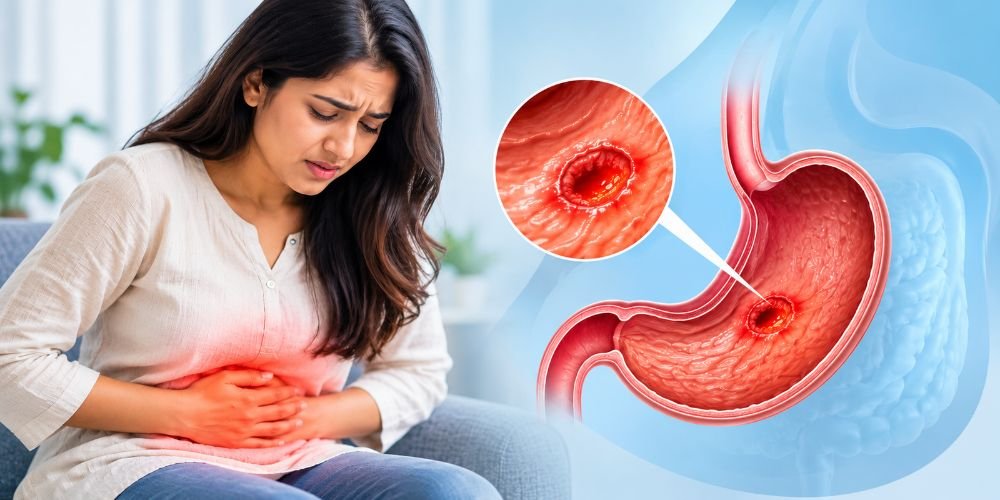
Effective Ulcer Treatment: Expert Tips for Pain Relief and Faster Healing
Ulcers can cause discomfort, interfere with eating, and affect everyday activities. Whether you experience painful sores inside your mouth or symptoms associated with a stomach ulcer, understanding the underlying cause is essential for choosing the right treatment.
Although some ulcers heal naturally, others may require medical evaluation, prescription medicines, or further investigations. The right approach depends on the type of ulcer, its severity, how long it has been present, and your overall health.
If you are searching for an Ulcer treatment doctor in Gurgaon, learning about the symptoms, treatment options, and warning signs can help you make informed healthcare decisions.
In this guide, Dr. Mukesh Nandal explains important aspects of ulcer care, practical ways to manage discomfort, and situations in which professional medical advice is necessary.
What Is an Ulcer?
An ulcer is an open sore that develops when the protective surface of a tissue becomes damaged. Ulcers can occur in different parts of the body, and their causes and treatments vary.
The two commonly discussed types are:
- Mouth ulcers: Small, painful sores that develop inside the cheeks, on the tongue, on the inner lips, or around the gums.
- Stomach ulcers: Open sores that develop in the lining of the stomach or the upper part of the small intestine. They are also known as peptic ulcers.
These conditions should not be treated in the same way. Mouth ulcers may be associated with minor injuries, irritation, nutritional deficiencies, or certain medical conditions. Stomach ulcers are commonly associated with Helicobacter pylori (H. pylori) infection or the use of non-steroidal anti-inflammatory drugs (NSAIDs).
Identifying the type of ulcer is the first step towards appropriate treatment.
Common Causes of Ulcers
Understanding what triggers an ulcer can help guide treatment and reduce the risk of recurrence.
1. Minor Injuries and Irritation
Mouth ulcers may develop after accidentally biting the inside of your cheek, brushing too aggressively, eating hard foods, or experiencing irritation from braces, dentures, or a sharp tooth.
2. Nutritional Deficiencies
Low levels of iron, vitamin B12, folate, and certain other nutrients may contribute to recurring mouth ulcers. A healthcare professional can assess whether a nutritional deficiency is present and recommend appropriate testing when necessary.
3. Stress and Lifestyle Factors
Stress and fatigue may be associated with recurring mouth ulcers in some people. Identifying personal triggers, maintaining a balanced diet, and getting adequate sleep may help support overall well-being.
4. Certain Medicines
Some medicines may contribute to ulcer formation or irritation. NSAIDs, for example, can increase the risk of stomach ulcers, particularly with prolonged use or other risk factors.
Do not stop a prescribed medicine without consulting your treating doctor.
5. H. pylori Infection
- pylori is a bacterium associated with many peptic ulcers. When this infection is responsible, treatment may involve a combination of medicines prescribed by a doctor.
6. Underlying Medical Conditions
Recurring or persistent ulcers can sometimes be associated with gastrointestinal disorders, inflammatory conditions, immune-related problems, or other medical issues. A clinical assessment can help determine whether additional investigation is necessary.
Common Symptoms of Ulcers
Symptoms vary depending on the location and underlying cause.
Symptoms of Mouth Ulcers
Mouth ulcers may cause:
- Round or oval sores inside the mouth.
- A white or yellowish centre surrounded by redness.
- Pain or burning while eating, drinking, or speaking.
- Sensitivity to spicy, salty, or acidic foods.
- Discomfort while brushing the teeth.
Most ordinary mouth ulcers heal within one to two weeks. However, persistent, unusually large, frequently recurring, or bleeding sores should be examined by a healthcare professional.
Symptoms of Stomach Ulcers
Stomach or peptic ulcers may cause:
- Burning or gnawing pain in the upper abdomen.
- Indigestion or discomfort after eating.
- Bloating or a feeling of fullness.
- Nausea or vomiting.
- Reduced appetite in some individuals.
Symptoms alone cannot confirm the presence of a stomach ulcer. A doctor may recommend testing for H. pylori or other investigations based on the patient’s history and examination.
Important: Vomiting blood, passing black, tarry stools, or experiencing sudden, severe abdominal pain can indicate a serious complication. Seek emergency medical care immediately.
Effective Ulcer Treatment Options
There is no single treatment suitable for every ulcer. The appropriate approach depends on its location, cause, severity, and duration.
1. Gentle Care for Mouth Ulcers
For a typical minor mouth ulcer, simple measures may help reduce irritation while the sore heals.
- Rinse your mouth with warm salt water and spit it out without swallowing.
- Use a soft-bristled toothbrush.
- Choose soft foods that are comfortable to eat.
- Avoid very hot, spicy, salty, or acidic foods if they worsen the pain.
- Drink sufficient fluids to prevent dehydration.
- Avoid tobacco and other products that irritate the mouth.
These measures may help manage discomfort, but they do not replace medical assessment when an ulcer is persistent or unusual.
2. Medicines for Pain Relief
Depending on the symptoms, a healthcare professional or pharmacist may recommend a suitable pain-relieving gel, mouthwash, or other treatment for mouth ulcers.
Some severe or persistent mouth ulcers may require prescription medicines, including topical corticosteroids, following an appropriate assessment.
Avoid applying aspirin, alcohol, concentrated antiseptics, or other irritating substances directly to an ulcer. These can damage or irritate the surrounding tissue.
3. Treatment for Stomach Ulcers
Treatment for a stomach ulcer is different from treatment for a mouth ulcer.
Depending on the diagnosis, a doctor may recommend:
- Proton pump inhibitors (PPIs): Medicines that reduce stomach acid and help the ulcer heal.
- H. pylori treatment: A prescribed combination of antibiotics and acid-suppressing medicine when the infection is confirmed or treatment is otherwise indicated.
- Review of pain medicines: An assessment of NSAID use and whether an alternative or protective treatment is appropriate.
- Follow-up testing: Additional testing may be required to confirm that the infection has cleared or that the ulcer has healed.
Do not self-prescribe antibiotics or stop essential medicines without medical advice. The treatment plan should be based on the underlying cause and individual clinical circumstances.
4. Investigating Recurring Ulcers
If mouth ulcers keep returning, a healthcare professional may assess oral hygiene, local irritation, dietary factors, medication use, and relevant medical history.
Blood tests may be appropriate when symptoms or history suggest nutritional deficiencies or an underlying condition. Further investigations depend on the findings.
For stomach ulcers, testing may include an H. pylori breath test, stool test, or upper gastrointestinal endoscopy when indicated.
How to Support Faster Healing Naturally
Home care can support recovery, particularly for minor mouth ulcers. However, no home remedy guarantees immediate healing.
Eat a Balanced Diet
Include a variety of vegetables, fruits that do not irritate the ulcer, whole grains, protein sources, and other nutrient-rich foods. If particular foods trigger pain, temporarily choose gentler alternatives.
Maintain Good Oral Hygiene
Brush gently with a soft toothbrush and keep your mouth clean. If toothpaste appears to aggravate symptoms, consider discussing an alternative with a dental professional.
Avoid Known Irritants
Very spicy foods, acidic drinks, rough snacks, and tobacco may aggravate mouth ulcers. Avoiding individual triggers can make eating and drinking more comfortable.
Stay Hydrated
Drink water regularly, especially when mouth pain makes eating or drinking uncomfortable.
Avoid Unverified Remedies
Applying household substances or using supplements without a clear indication may worsen irritation or delay appropriate treatment. Nutritional supplements should be considered when there is a clinical reason to use them.
For stomach ulcers, lifestyle measures may help manage symptoms, but they cannot replace treatment for H. pylori infection or other underlying causes.
When Should You Consult a Doctor for Ulcer Treatment?
Knowing when to seek medical attention is an important part of safe ulcer care.
Consider arranging an assessment if:
- A mouth ulcer lasts longer than three weeks.
- The sore is unusually large, different from previous ulcers, or repeatedly returns.
- An ulcer becomes increasingly painful, red, or begins to bleed.
- Mouth ulcers occur alongside fever, skin lesions, joint symptoms, or other unexplained symptoms.
- You have persistent upper abdominal pain, recurrent vomiting, or unexplained weight loss.
- You experience difficulty swallowing or are unable to drink enough fluids.
Seek emergency medical care for vomiting blood, black tarry stools, or sudden, severe abdominal pain.
Persistent mouth sores should not automatically be assumed to be harmless. A timely examination helps identify the cause and determine whether further testing or treatment is needed.
Choosing an Ulcer Treatment Doctor in Gurgaon
Finding an appropriate healthcare professional begins with understanding your symptoms and the type of ulcer you may have.
If you have a mouth ulcer, consider consulting a dentist or an appropriately qualified doctor who can examine the affected area, identify possible sources of irritation, and determine whether further assessment is needed.
If you have symptoms suggesting a stomach ulcer, a physician or gastroenterologist may be more appropriate.
When selecting an Ulcer treatment doctor in Gurgaon, consider the following:
- Relevant qualifications: Verify that the healthcare professional has recognised qualifications and appropriate registration.
- Clinical assessment: The consultation should consider your symptoms, medical history, medications, and relevant risk factors.
- Evidence-based care: Recommended investigations and treatments should be supported by established medical practice.
- Clear communication: You should understand the proposed treatment, its possible risks, and when follow-up is needed.
- Appropriate referrals: Persistent or complicated ulcers may require evaluation by another specialist.
These considerations can help you make a more informed decision about your healthcare.
Ulcer Care and Medical Guidance from Dr. Mukesh Nandal
Dr. Mukesh Nandal is the named medical professional for this educational article. Patients considering an assessment should verify his qualifications, registration, clinical scope, and consultation details before arranging care.
The correct management of an ulcer begins with identifying its cause rather than relying solely on symptom relief. While minor mouth ulcers often improve with gentle home care, persistent sores or symptoms associated with stomach ulcers may need a more detailed medical evaluation.
Treatment decisions should be individualised according to the clinical findings, and patients should be informed about appropriate follow-up and warning signs.
Frequently Asked Questions About Ulcer Treatment
1. What is the fastest way to treat a mouth ulcer?
Avoid irritating foods, maintain gentle oral hygiene, drink sufficient water, and consider a suitable pain-relieving treatment after seeking advice from a pharmacist or healthcare professional. Most minor mouth ulcers heal within one to two weeks, but persistent sores require examination.
2. How long does an ulcer take to heal?
Many minor mouth ulcers heal within one to two weeks. Stomach ulcers may take several weeks or longer, depending on their cause and the treatment used. Healing time varies from person to person.
3. Are mouth ulcers and stomach ulcers the same?
No. Mouth ulcers affect the tissues inside the mouth, whereas stomach ulcers develop in the stomach lining or upper small intestine. Their causes, diagnostic methods, and treatments are different.
4. Can stress cause mouth ulcers?
Stress may be associated with recurring mouth ulcers in some people, but it is not the only possible cause. Local irritation, nutritional deficiencies, medicines, and certain medical conditions may also contribute.
5. When should I see a doctor for a mouth ulcer?
Seek an assessment if the ulcer lasts longer than three weeks, is unusually large or different from previous sores, bleeds, becomes increasingly painful, or occurs alongside other unexplained symptoms.
6. Do stomach ulcers always require antibiotics?
No. Antibiotics are used when H. pylori infection is being treated. Other ulcers may require acid-suppressing treatment and a review of contributing medicines or conditions. The appropriate treatment depends on the diagnosis.
7. How can I find an Ulcer treatment doctor in Gurgaon?
Start by identifying whether your symptoms involve the mouth or digestive system. Check the healthcare professional’s recognised qualifications, registration, relevant experience, and suitability for your condition before arranging an appointment.
Conclusion
Effective ulcer treatment depends on identifying the type of ulcer, understanding its underlying cause, and choosing appropriate care. Gentle oral hygiene and avoiding irritating foods can help manage minor mouth ulcers, while stomach ulcers may require prescription medicines, infection testing, or further investigation.
Do not ignore recurring or persistent sores, unexplained abdominal symptoms, or warning signs such as bleeding. Timely medical evaluation can help establish the diagnosis and guide suitable treatment.
If you are looking for an Ulcer treatment doctor in Gurgaon, prioritise a qualified healthcare professional who can assess your symptoms and recommend care based on your individual needs.
Medically Reviewed By: Dr. Mukesh Nandal
- Qualifications: MBBS, MD (Internal Medicine), DNB (Medical Gastroenterology)
- Specialty: Gastroenterology
- Medical Registration Number: 6587, Delhi Medical Council