

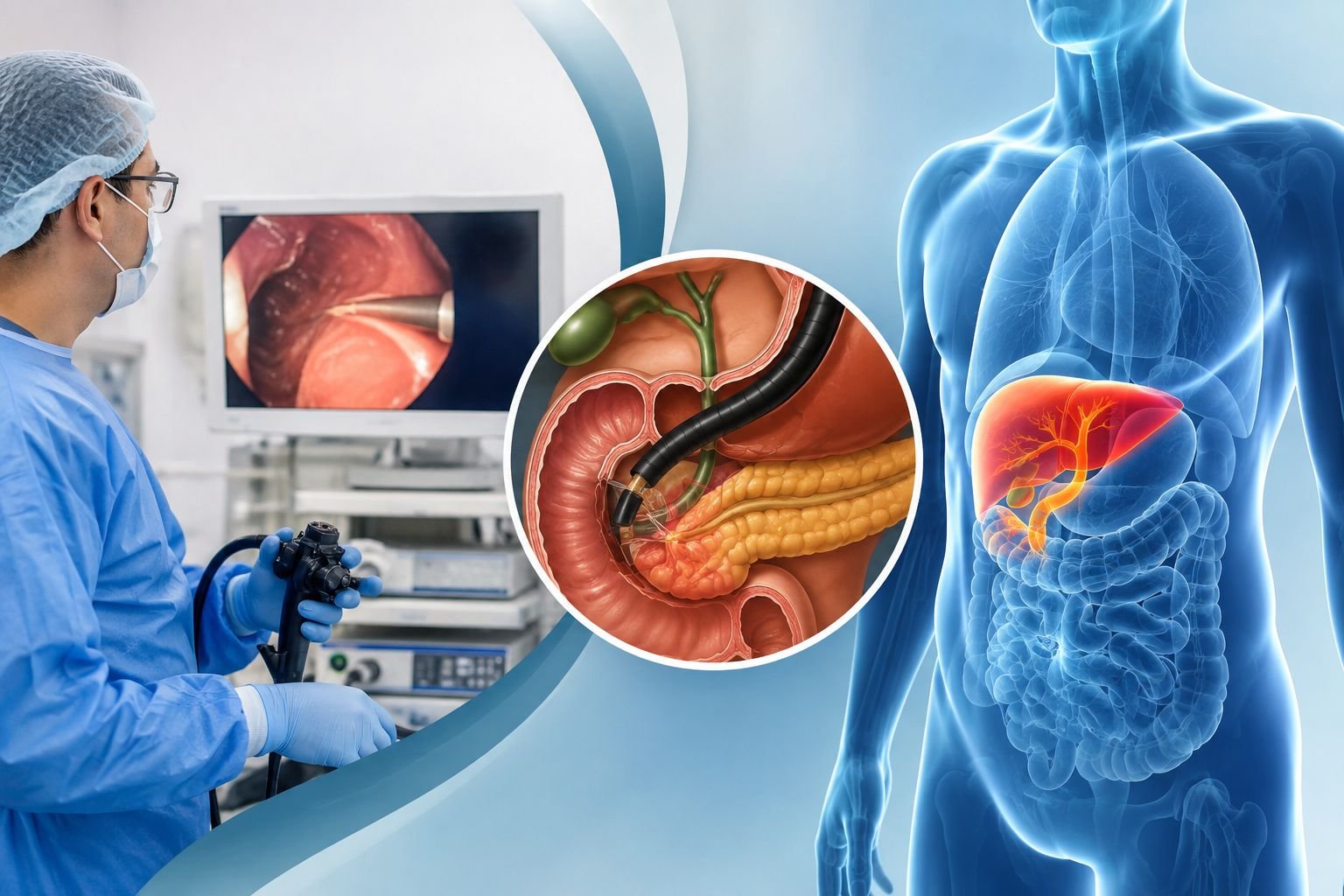
Is ERCP Right for You? Symptoms, Diagnosis, and Treatment Guide
Digestive problems can sometimes be more than just an upset stomach. Persistent abdominal pain, jaundice, recurring pancreatitis, or unexplained liver function abnormalities may point to a problem in the bile ducts or pancreas. In many cases, early diagnosis and the right treatment can prevent serious complications.
If your doctor has recommended ERCP treatment in Gurgaon, you may be wondering what the procedure involves, who needs it, and whether it’s the right option for your condition. This guide explains everything you need to know in simple terms, helping you make informed decisions about your digestive health.
What Is ERCP?
Endoscopic Retrograde Cholangiopancreatography (ERCP) is a specialized procedure used to diagnose and treat conditions affecting the bile ducts, gallbladder, pancreas, and pancreatic ducts.
Unlike many diagnostic tests, ERCP is both a diagnostic and therapeutic procedure. This means your gastroenterologist can often identify the problem and treat it during the same session, reducing the need for additional surgeries.
The procedure combines:
- Endoscopy to view the digestive tract
- Fluoroscopy (real-time X-ray imaging)
- Specialized instruments to remove blockages or perform treatments
When Is ERCP Recommended?
Your doctor may recommend ERCP treatment in New Gurgaon if imaging tests or symptoms suggest a blockage or disease affecting the bile or pancreatic ducts.
Common conditions include:
- Gallstones trapped in the bile duct
- Bile duct obstruction
- Pancreatic duct blockage
- Chronic pancreatitis
- Acute recurrent pancreatitis
- Bile duct strictures
- Pancreatic strictures
- Bile leaks after surgery
- Benign or malignant tumors
- Jaundice caused by duct blockage
- Cholangitis (infection of the bile ducts)
Symptoms That May Indicate You Need ERCP
Many digestive disorders share similar symptoms, making professional evaluation essential.
Watch for symptoms such as:
Persistent Upper Abdominal Pain
Pain that does not improve or keeps returning may indicate blockage or inflammation within the biliary system or pancreas.
Yellowing of the Skin and Eyes (Jaundice)
Jaundice often develops when bile cannot flow normally due to stones, strictures, or tumors.
Dark Urine and Pale Stools
These changes may suggest reduced bile flow from the liver into the intestine.
Recurrent Pancreatitis
Repeated episodes of pancreatitis often require further investigation to identify underlying duct abnormalities.
Fever with Abdominal Pain
This combination may indicate a bile duct infection requiring urgent treatment.
Unexplained Nausea and Vomiting
Persistent digestive symptoms, especially when combined with abdominal pain or jaundice, should never be ignored.
How Is the Need for ERCP Diagnosed?
ERCP is usually recommended after other investigations suggest a problem.
Your gastroenterologist may perform:
- Detailed medical history
- Physical examination
- Liver function tests
- Pancreatic enzyme tests
- Complete blood investigations
- Abdominal ultrasound
- CT scan
- MRI or MRCP
- Endoscopic Ultrasound (EUS), when required
These tests help determine whether ERCP is the most appropriate treatment option.
What Happens During an ERCP Procedure?
ERCP is generally performed under sedation, ensuring patient comfort throughout the procedure.
Here’s what typically happens:
- An endoscope is gently passed through the mouth into the stomach and small intestine.
- The doctor identifies the opening of the bile and pancreatic ducts.
- A contrast dye is injected into the ducts.
- X-ray images reveal any blockages, stones, narrowing, or abnormalities.
- If needed, treatment is performed immediately.
Depending on the diagnosis, your doctor may:
- Remove bile duct stones
- Place a stent to improve drainage
- Widen narrowed ducts
- Take tissue samples (biopsy)
- Relieve blockages caused by tumors
- Treat bile leaks
Most procedures take between 30 minutes and one hour, depending on the complexity.
Conditions Treated with ERCP
ERCP plays an important role in treating several gastrointestinal conditions.
Common Bile Duct Stones
Gallstones that move into the bile duct can block bile flow and cause severe pain, infection, or jaundice. ERCP allows doctors to remove these stones without open surgery.
Bile Duct Strictures
Scar tissue, inflammation, or tumors may narrow the bile ducts. ERCP can widen these narrowed areas and place stents to restore normal drainage.
Pancreatic Disorders
Patients with pancreatic duct narrowing or chronic pancreatitis often benefit from therapeutic ERCP to relieve obstruction.
Biliary Leaks
After gallbladder surgery or liver surgery, ERCP can help seal bile leaks and reduce complications.
Tumors
ERCP can relieve symptoms caused by pancreatic or bile duct cancers by improving bile drainage and collecting tissue samples for diagnosis.
Benefits of ERCP
Compared to traditional surgery, ERCP offers several advantages:
- Minimally invasive procedure
- Diagnosis and treatment in one session
- Shorter recovery time
- Reduced hospital stay
- Less postoperative discomfort
- Faster return to normal activities
- High success rates for many biliary conditions
Is ERCP Safe?
ERCP is considered a safe and effective procedure when performed by an experienced gastroenterologist.
Like any medical procedure, there are some risks, including:
- Pancreatitis
- Bleeding
- Infection
- Perforation
- Sedation-related complications
Fortunately, serious complications are uncommon, and careful patient selection significantly improves safety.
Recovery After ERCP
Recovery is usually straightforward.
Patients may experience:
- Mild sore throat
- Temporary bloating
- Mild abdominal discomfort
Most individuals can resume normal activities within one or two days, depending on the treatment performed.
Your doctor will provide specific instructions regarding:
- Diet
- Medications
- Physical activity
- Follow-up appointments
Who May Not Be Suitable for ERCP?
ERCP may not be appropriate for everyone.
Alternative investigations or treatments may be recommended for patients with:
- Certain bleeding disorders
- Severe heart or lung disease
- Allergy to contrast dye
- Conditions where non-invasive imaging provides sufficient information
Your gastroenterologist will carefully evaluate your overall health before recommending the procedure.
Choosing the Right Specialist Matters
ERCP is an advanced procedure that requires specialized training, modern equipment, and extensive experience.
When considering ERCP treatment in Gurgaon, choose a center that offers:
- Experienced gastroenterologists
- Advanced endoscopy facilities
- High-quality imaging support
- Comprehensive emergency care
- Personalized treatment planning
- Post-procedure follow-up
Receiving care from an experienced team helps improve treatment outcomes while minimizing potential risks.
Why Early Diagnosis Is Important
Ignoring symptoms such as jaundice, persistent abdominal pain, or recurrent pancreatitis can lead to serious complications, including infections, liver damage, and worsening pancreatic disease.
Seeking timely evaluation allows doctors to identify the underlying cause and recommend the most appropriate treatment. If indicated, ERCP treatment in New Gurgaon can help relieve blockages, restore normal bile flow, and prevent long-term complications.
Conclusion
ERCP has transformed the diagnosis and treatment of many pancreatic and biliary disorders. Instead of relying on major surgery, many patients can now receive effective treatment through a minimally invasive procedure with faster recovery and excellent outcomes.
If you’re experiencing ongoing digestive symptoms such as jaundice, severe abdominal pain, unexplained liver test abnormalities, or recurrent pancreatitis, don’t ignore them. Consulting an experienced gastroenterologist early can help determine whether ERCP treatment in Gurgaon is the right option for your condition and ensure you receive timely, effective care.
Frequently Asked Questions (FAQs)
1. Is ERCP painful?
No. ERCP is usually performed under sedation, so most patients remain comfortable and have little memory of the procedure.
2. How long does ERCP take?
The procedure generally takes 30-60 minutes, although complex cases may require additional time.
3. Is ERCP used only for diagnosis?
No. ERCP is primarily a therapeutic procedure that can both diagnose and treat many bile duct and pancreatic conditions during the same session.
4. How soon can I eat after ERCP?
Your doctor will advise when it is safe to eat, usually after the effects of sedation have worn off and swallowing is normal.
5. When should I seek medical attention after ERCP?
Contact your doctor immediately if you experience severe abdominal pain, persistent vomiting, fever, heavy bleeding, or difficulty breathing after the procedure.