Fatty Liver Diet: Foods to Eat and Foods to Avoid
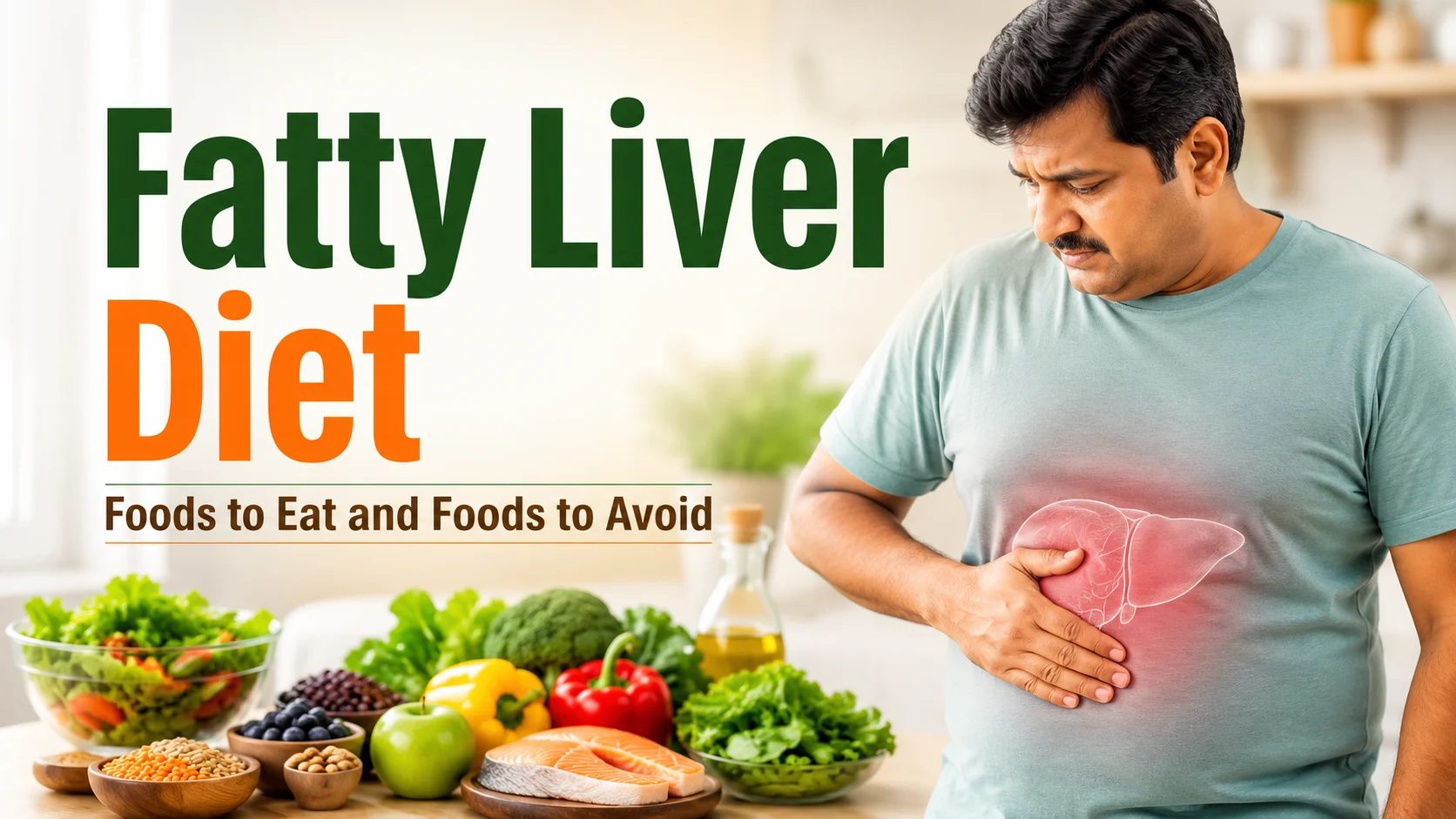
Fatty liver disease is becoming increasingly common due to unhealthy eating habits, sedentary lifestyles, obesity, and diabetes. The good news is that in many cases, simple lifestyle changes can help reverse fatty liver and improve liver health. One of the most effective steps is following a healthy Fatty Liver Diet.
A well-balanced diet can reduce fat accumulation in the liver, decrease inflammation, and support overall liver function. In this guide, we will discuss the best foods to eat, foods to avoid, and when to seek medical advice.
What Is Fatty Liver Disease?
Fatty liver disease occurs when excess fat builds up in liver cells. It can be classified into:
- Non-Alcoholic Fatty Liver Disease (NAFLD): Not related to alcohol consumption.
- Alcohol-Related Fatty Liver Disease: Caused by excessive alcohol intake.
In its early stages, fatty liver may not cause noticeable symptoms. However, if left untreated, it can progress to liver inflammation, fibrosis, cirrhosis, and even liver failure.
Why Is Diet Important for Fatty Liver?
The liver plays a vital role in processing nutrients, removing toxins, and regulating metabolism. An unhealthy diet can worsen fat accumulation in the liver, while a carefully planned Fatty Liver Diet can:
- Reduce liver fat
- Improve insulin sensitivity
- Lower inflammation
- Support healthy weight loss
- Prevent disease progression
Research shows that losing just 5-10% of body weight can significantly improve fatty liver disease.
Read Also: Understanding Non-Alcoholic Fatty Liver Disease (NAFLD) in 2026
Best Foods to Eat in a Fatty Liver Diet
1. Green Leafy Vegetables
Vegetables such as spinach, kale, fenugreek leaves, and broccoli are rich in antioxidants and fiber. They help reduce fat accumulation in the liver and support digestion.
2. Fresh Fruits
Apples, berries, oranges, papaya, and guava provide vitamins, minerals, and antioxidants. They are a healthier alternative to sugary snacks.
Tip: Eat whole fruits instead of packaged fruit juices.
3. Whole Grains
Whole wheat, brown rice, oats, quinoa, and millets are excellent choices. Their high fiber content helps control blood sugar and supports weight management.
4. Lean Protein Sources
Protein is essential for liver repair and maintaining muscle mass. Healthy options include:
- Fish
- Skinless chicken
- Eggs
- Lentils
- Beans
- Tofu
5. Healthy Fats
Not all fats are harmful. Healthy fats can actually support liver health.
Include:
- Nuts and seeds
- Almonds
- Walnuts
- Flaxseeds
- Olive oil
These foods contain omega-3 fatty acids that may help reduce liver inflammation.
6. Coffee (In Moderation)
Several studies suggest that moderate coffee consumption may help protect the liver by reducing inflammation and slowing disease progression.
7. Green Tea
Green tea contains antioxidants called catechins that may improve liver function and reduce fat accumulation.
Foods to Avoid in a Fatty Liver Diet
1. Sugary Foods and Drinks
Excess sugar is one of the major contributors to fatty liver disease.
Avoid:
- Soft drinks
- Energy drinks
- Packaged fruit juices
- Cakes
- Pastries
- Candies
2. Refined Carbohydrates
Highly processed carbohydrates can increase blood sugar levels and promote fat storage.
Limit:
- White bread
- White rice
- Cookies
- Crackers
- Bakery products
3. Fried and Fast Foods
Foods high in unhealthy fats can worsen liver damage.
Avoid:
- French fries
- Burgers
- Chips
- Fried snacks
- Processed fast foods
4. Processed Meats
Processed meats often contain excessive sodium, preservatives, and unhealthy fats.
Examples include:
- Sausages
- Salami
- Bacon
- Processed chicken products
5. Alcohol
Alcohol can significantly damage liver cells and accelerate disease progression. Individuals with fatty liver disease should avoid alcohol unless specifically advised otherwise by their doctor.
6. High-Salt Foods
Excess salt may contribute to inflammation and water retention.
Reduce:
- Instant noodles
- Packaged snacks
- Pickles
- Processed foods
Sample Fatty Liver Diet Plan
Breakfast
- Oats with fruits and nuts
- Green tea
Mid-Morning Snack
- Apple or guava
Lunch
- Whole wheat roti
- Mixed vegetable curry
- Dal
- Salad
Evening Snack
- Handful of almonds or roasted chana
Dinner
- Grilled fish or paneer
- Steamed vegetables
- Brown rice or millet
Before Bed
- Warm water or herbal tea
Lifestyle Tips to Support Liver Health
Along with following a Fatty Liver Diet, consider these healthy habits:
- Exercise for at least 30 minutes daily
- Maintain a healthy body weight
- Stay hydrated
- Sleep 7–8 hours every night
- Control diabetes, cholesterol, and blood pressure
- Avoid smoking and excessive alcohol consumption
When Should You See a Doctor?
Fatty liver disease often develops silently and may not cause symptoms initially. However, consult a healthcare professional if you experience:
- Persistent fatigue
- Unexplained weight loss
- Abdominal discomfort
- Loss of appetite
- Yellowing of the eyes or skin
Early diagnosis and treatment can prevent complications and improve long-term liver health.
If you are looking for expert Fatty Liver Treatment in Gurgaon, it is important to consult an experienced Liver Doctor in Gurgaon who can evaluate the severity of your condition and create a personalized treatment plan based on your health needs.
Conclusion
A healthy Fatty Liver Diet is one of the most effective ways to manage and even reverse fatty liver disease in its early stages. Focusing on fruits, vegetables, whole grains, lean proteins, and healthy fats while avoiding sugary, processed, and fried foods can significantly improve liver health. Combined with regular exercise and medical guidance, these dietary changes can help protect your liver and improve your overall well-being.
Remember: Every patient is different. For accurate diagnosis and personalized dietary recommendations, consult a qualified healthcare professional or liver specialist.