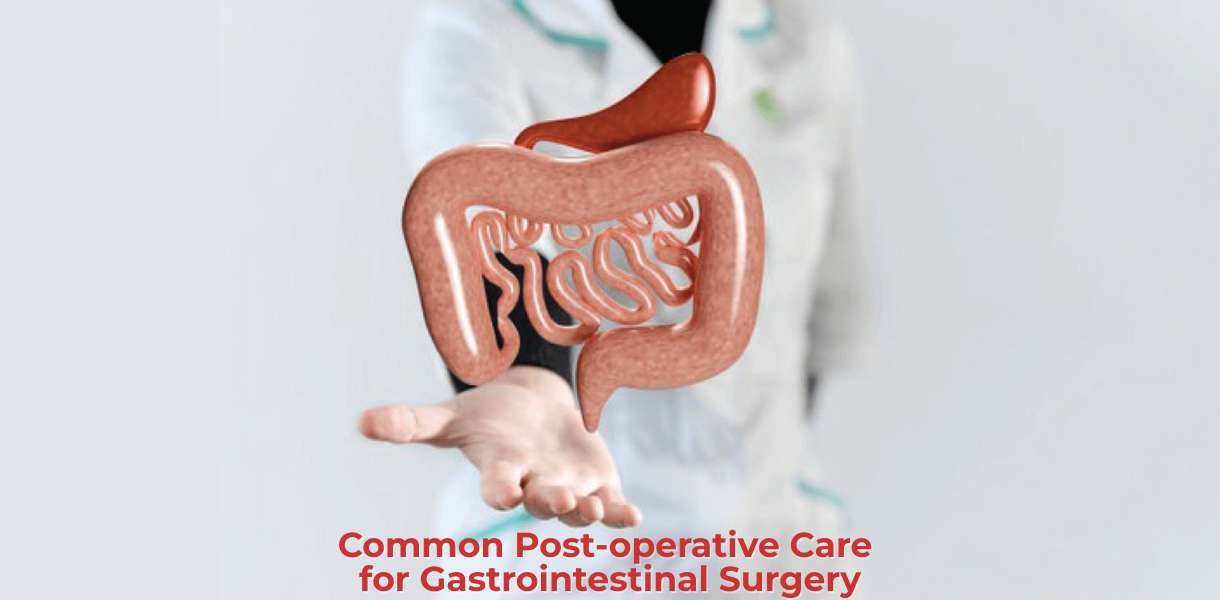
Common Post-operative Care for Gastrointestinal Surgery
Recovering from gastrointestinal (GI) surgery requires proper post-operative care to ensure healing, minimize complications, and restore normal digestive function. The period after surgery is critical, as patients often face challenges like pain, fatigue, and dietary restrictions. Understanding the essentials of post-operative care for gastrointestinal surgery helps patients and their families prepare for a smooth recovery.
Whether you have undergone surgery for ulcers, gallbladder removal, hernia repair, or more complex procedures like colorectal surgery, personalized care guided by an expert is key. Consulting an experienced Gastroenterologist in Gurgaon ensures that your recovery is monitored closely, reducing the risk of post-surgical complications.
Importance of Post-operative Care for Gastrointestinal Surgery
Post-operative care involves everything from pain management and wound healing to nutrition and emotional well-being. The goals are:
- Promoting proper healing of the surgical site
- Preventing infections and complications
- Restoring digestive function
- Helping the patient gradually return to normal activities
Without structured care, even minor surgeries can lead to delayed recovery. That’s why expert guidance from a gastroenterologist is essential.
Immediate Post-operative Care
Right after surgery, patients are usually monitored in the hospital for a few days. The focus during this stage includes:
- Pain Management: Medications are prescribed to manage discomfort. Controlled pain relief helps patients move around earlier, reducing risks like blood clots.
- Fluid and Nutrition Support: Initially, fluids are provided intravenously. Oral intake usually starts with clear liquids, gradually advancing to soft foods.
- Monitoring Vital Signs: Regular checks on blood pressure, pulse, oxygen levels, and temperature help detect complications early.
- Wound Care: The surgical incision must be kept clean and dry. Dressings are changed under medical supervision to prevent infection.
Nutrition and Diet after Gastrointestinal Surgery
One of the most important aspects of post-operative care for gastrointestinal surgery is diet. Since the digestive system needs time to heal, food choices are carefully managed:
- Stage 1: Liquids – Clear broths, soups, and juices are introduced first.
- Stage 2: Soft Foods – Gradual introduction of mashed vegetables, porridge, and yogurt.
- Stage 3: Balanced Diet – Over time, the diet expands to include proteins, whole grains, and fresh fruits.
Patients are usually advised to avoid fatty, spicy, and processed foods. Eating smaller, more frequent meals supports digestion and prevents strain on the healing gut.
Physical Activity and Mobility
Movement plays a big role in recovery. Patients are encouraged to walk as early as possible after surgery, as it:
- Improves circulation
- Prevents blood clots
- Aids bowel movement recovery
However, strenuous activities, heavy lifting, or exercises that strain the abdominal muscles should be avoided until cleared by the doctor.
Preventing Infections and Complications
The risk of infections is higher after GI surgery, making preventive care vital:
- Hand Hygiene: Always wash hands before touching the surgical area.
- Incision Care: Keep the wound dry and look out for redness, swelling, or pus.
- Medication Adherence: Take antibiotics or prescribed medications exactly as directed.
- Follow-up Appointments: Regular reviews with your gastroenterologist help detect complications early.
Emotional and Psychological Well-being
Recovery is not just physical but also emotional. Patients may experience anxiety, mood swings, or stress about lifestyle changes. Support from family, friends, and counseling can play a huge role. Some patients may also benefit from joining recovery support groups.
Role of a Gastroenterologist in Recovery
Every patient’s recovery journey is unique. A specialist ensures tailored care that matches individual needs. A Gastroenterologist in Gurgaon like Dr. Mukesh Nandal, Senior Consultant at Narayana Hospital and Atharva Polyclinic, Sector 10A, Gurgaon, provides comprehensive care during the post-operative phase.
Dr. Nandal’s expertise covers:
- Personalized diet and recovery plans
- Monitoring liver and digestive health
- Early detection of post-surgical complications
- Guidance on resuming normal activities safely
Patients under his care benefit from a structured and patient-centric approach that promotes long-term gastrointestinal health.
Tips for Patients and Families
- Do not rush into eating normal food.
- Follow the staged diet plan.
- Keep a symptom diary – note any pain, digestive issues, or changes in bowel habits.
- Avoid alcohol and smoking during the recovery period.
- Ensure proper hydration and adequate rest.
- Contact your doctor immediately if you notice fever, severe pain, or unusual swelling.
Conclusion
Successful recovery after gastrointestinal surgery depends largely on proper post-operative care. From wound healing and nutrition to emotional support and regular follow-ups, every step plays a vital role in regaining health. With guidance from an experienced Gastroenterologist in Gurgaon, like Dr. Mukesh Nandal, patients can ensure safe healing and a better quality of life post-surgery.